
Home workouts have gained significant popularity recently, with more people choosing to exercise within the comfort of their own homes. This trend saw a substantial boost as the global pandemic limited access to gyms and public fitness spaces, encouraging many to explore alternative ways to stay active. Among the various tools and equipment discovered to be highly effective for home exercise routines, resistance bands have emerged as a standout choice. They are celebrated for their versatility, allowing individuals to perform a wide range of exercises targeting different muscle groups. Resistance bands are not just for those looking to maintain their fitness levels; they also offer a practical solution for anyone aiming to enhance their workout effectiveness without needing bulky equipment. Simple yet powerful, these bands are proving to be an essential component of home fitness, catering to a broad audience from fitness novices to seasoned athletes.
The Versatility of Resistance Bands
Resistance bands are a versatile tool for home workouts, suitable for a wide range of exercises across all major muscle groups. They offer an effective way to build strength, comparable to traditional weights, but are more adaptable and easier to use for both beginners and experienced individuals. Besides strength training, these bands are useful for rehabilitation, helping gently restore muscle and joint function without overloading the body. Their compact and lightweight nature makes them a practical alternative to bulky gym equipment, enabling effective workouts in limited space without significant expense.
Common Types of Resistance Bands
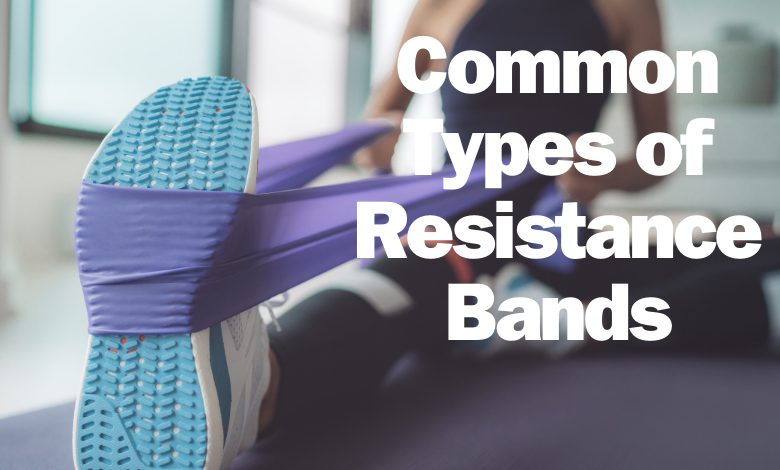
- Tube Bands with Handles: Ideal for upper body workouts and mimic machine exercises in gyms.
- Loop Bands: Often used for lower body exercises to add intensity to squats and lunges.
- Therapy Bands: Flat and thinner bands, best for rehabilitation and stretching.
- Mini Bands: Small loop bands that are great for targeting the legs and glutes, especially in activation exercises.
- Figure 8 Bands: Shaped like an eight and have built-in handles, suitable for arm exercises and adding resistance to standard workouts.
- Power Resistance Bands (Pull-up Bands): Long loop bands designed to assist with pull-ups and other high-intensity exercises.
Benefits of Resistance Bands
- Cost-Effectiveness: More affordable than gym memberships and costly home gym setups.
- Space Efficiency: Require minimal storage space, ideal for small living areas.
- Suitability for All Fitness Levels: Effective for beginners to advanced athletes, adaptable for progressing fitness levels.
- Enhancing Exercise Effectiveness: Adds resistance to bodyweight exercises, increasing workout intensity.
- Portability: Lightweight and compact, perfect for maintaining fitness routines while traveling.
- Improving Muscle Engagement: Increases muscle stabilization and engagement for a more effective workout.
Starting with Resistance Bands
Starting with resistance bands requires selecting the right band to match your current fitness level. Beginners should opt for lighter resistance bands, which offer less resistance and are easier to stretch. This choice helps prevent injury by ensuring exercises are challenging but manageable. As strength and confidence grow, gradually moving to bands with more resistance is important to continue making progress. It’s also crucial to focus on proper form and technique from the start. Simple exercises for beginners include band pulls, squats with the band around your knees, and arm curls. These exercises help familiarize users with the bands while emphasizing the importance of maintaining form to maximize benefits and reduce the risk of injury.
Advanced Exercises with Resistance Bands
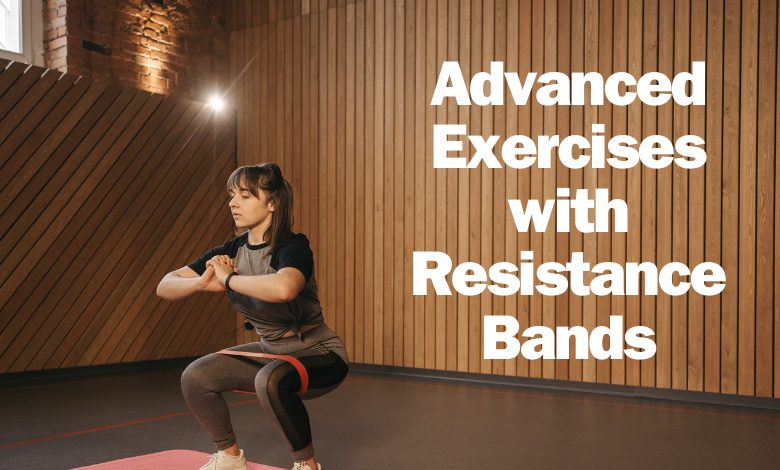
- Banded Deadlifts: Adds resistance to both lifting and lowering phases, enhancing the workout for the lower back, glutes, and hamstrings.
- Pull-up Assist Bands: Increases pull-up intensity by providing resistance, effectively working the upper back, shoulders, and arms.
- Resisted Push-ups: Places the band across the back to add extra resistance to push-ups, targeting the chest, shoulders, and triceps more intensely.
Progression Importance:
- Safely Increase Intensity: Gradually move to higher resistance bands and incorporate complex movements to challenge muscles without overexertion.
- Continuous Improvement: Avoid workout plateaus by progressively increasing exercise difficulty, ensuring ongoing fitness development.
- Listen to Your Body: Ensure exercises remain within your capability to prevent injury, adjusting intensity as needed.
Incorporating Resistance Bands into Your Routine
Incorporating resistance bands into your workout routine can enhance variety and effectiveness. Begin by using them during warm-ups or cool-downs for stretches, gradually integrating them into main exercises to target different muscle groups each day, such as lower body, upper body, and core. This approach ensures comprehensive muscle engagement and recovery. Mix resistance band exercises with bodyweight movements or free weights to keep your workouts dynamic and prevent boredom. Always adjust the resistance and exercises to match your fitness level and goals, maintaining a balanced and effective workout regimen.
Conclusion
Resistance bands emerge as an indispensable tool for home workouts, blending cost-effectiveness, space efficiency, and suitability for all fitness levels. Their versatility extends from enhancing the intensity of bodyweight exercises to providing a portable solution that ensures workouts can be performed anywhere. Resistance bands effectively engage muscles, offering a diverse and adaptable approach to fitness that suits both beginners and advanced athletes. By integrating resistance bands into your routine, you open the door to a more varied, effective, and enjoyable workout experience. Whether you’re looking to amplify your strength training, improve flexibility, or simply add a new dimension to your fitness regimen, resistance bands are a simple yet powerful addition worth exploring.


