Lavender, known for its delightful scent and vibrant color, offers more than just aesthetic appeal. It possesses profound benefits for enhancing relaxation and sleep, captivating the attention of both traditional and contemporary wellness enthusiasts. This discussion delves into lavender’s soothing effects, tracing its historical roots, scientific support, and versatile uses for better sleep and stress reduction. From its ancient origins to its relevance in our fast-paced modern lives, lavender provides a natural and accessible means to improve overall well-being. Through an exploration of research and the diverse ways lavender can be incorporated into daily life, we gain insight into how this herb serves as a crucial element in promoting rest and tranquility.
The Science Behind Lavender’s Relaxing Effects
Lavender’s ability to calm the mind and improve sleep is not just folklore; it’s backed by science. The secret lies in its compounds, linalool and linalyl acetate, which have a direct impact on our nervous system. These compounds help to relax the brain and body, making lavender a natural choice for those seeking relief from stress and sleep difficulties.

When we inhale the scent of lavender, it interacts with our olfactory system, the part of the brain connected to smell. This interaction can decrease anxiety levels and foster a sense of tranquility. Furthermore, studies suggest that lavender affects neurotransmitters, the brain’s chemical messengers. It helps to increase serotonin, known as a mood stabilizer, which can ease the mind into a more peaceful state.
Benefits of Lavender for Sleep and Relaxation
Lavender offers several benefits for those looking to improve their sleep and relaxation. Scientific research and user experiences highlight its effectiveness in various areas:
- Enhanced Sleep Quality: Studies have shown that lavender can increase the quality of sleep. This includes helping individuals fall asleep more quickly and enjoy a deeper sleep. People who use lavender before bed often report feeling more refreshed upon waking.
- Reduction in Anxiety and Stress: Lavender’s calming properties extend to mood regulation, where its aroma or consumption can significantly reduce anxiety levels. This creates a more relaxed state, conducive to falling asleep easily and having a restful night.
- Alleviation of Insomnia Symptoms: For those struggling with insomnia, lavender can be a natural remedy. Its effects on the nervous system help calm the mind, making it easier to transition into sleep.
- Decrease in Restlessness: Lavender has been associated with reduced restlessness and agitation. By promoting a sense of peace, it aids in maintaining a steady sleep pattern throughout the night.
- Lower Cortisol Levels: By decreasing cortisol, the stress hormone, lavender contributes to a calmer and more stable environment for sleep, addressing one of the common barriers to a good night’s rest.
- Mood Improvement: The soothing scent of lavender not only aids in relaxation but can also lift one’s mood. This indirect benefit can further contribute to a positive sleep experience, as a better mood is often linked with better sleep.
Lavender serves as a versatile aid for sleep and relaxation, addressing issues from insomnia to stress-induced sleep disturbances. Its natural properties make it a popular choice for those seeking a holistic approach to improving sleep quality and overall relaxation.
Methods of Using Lavender for Sleep Enhancement
To harness lavender’s sleep-enhancing benefits, there are several methods one can adopt. Each method utilizes lavender’s calming properties differently, allowing for versatility in how it can be incorporated into a nighttime routine:
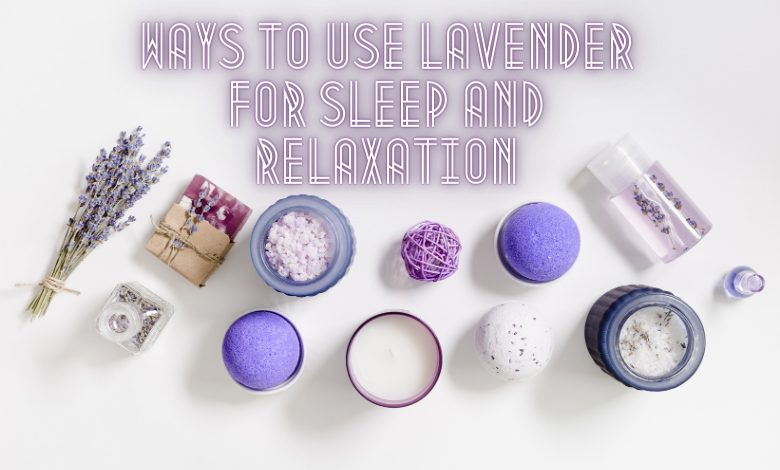
- Essential Oil Diffusion: Placing a few drops of lavender essential oil into a diffuser before bedtime can fill a room with its soothing scent. This method helps create a tranquil environment conducive to sleep.
- Topical Application: Mixing lavender oil with a carrier oil and applying it to the temples or wrists can provide a direct calming effect. This method is particularly useful for those who find the scent of lavender directly relaxing.
- Lavender-Infused Bedding: Adding dried lavender flowers to pillowcases or placing a lavender sachet under the pillow can gently release the aroma throughout the night, aiding in relaxation and sleep.
- Bath Additive: Incorporating lavender oil or bath salts into a warm bath can provide a double benefit of warm water relaxation and lavender’s calming effects, setting the stage for a good night’s sleep.
- Herbal Tea: Drinking a cup of lavender-infused tea before bed can be a soothing ritual. It allows the body to ingest lavender’s calming properties, aiding in relaxation from within.
- Sleep Accessories: Using products such as lavender-scented eye masks or pillow mists can make the bedtime routine more relaxing. These accessories often combine the benefits of lavender with the comfort of familiar bedtime items.
- Massage Oil: Lavender oil, diluted with a carrier oil, can be used for a relaxing massage before bed. This method combines the tactile benefits of massage with the soothing scent of lavender.
- Lavender in Meditation and Yoga: Incorporating lavender scent into meditation or gentle yoga practices before bed can enhance relaxation and make the transition to sleep smoother.
These methods offer various ways to include lavender in one’s sleep routine, catering to different preferences and needs. Whether through aromatherapy, topical application, or ingestion via tea, lavender can be a valuable tool for improving sleep quality and relaxation.
Practical Tips for Incorporating Lavender into Your Routine
Incorporating lavender into your nightly routine can significantly enhance sleep quality and relaxation. Here are straightforward and effective ways to use lavender for a better night’s sleep:
- Start Small: If you’re new to using lavender, begin with a single method, like a diffuser or pillow spray, to see how it affects your sleep and relaxation.
- Create a Bedtime Ritual: Use lavender as part of a consistent bedtime routine. For example, diffuse lavender oil or drink lavender tea an hour before bed to signal to your body that it’s time to wind down.
- Keep Lavender Near Your Bed: Place a sachet of dried lavender flowers or a bottle of lavender essential oil on your bedside table. This ensures that lavender’s calming scent is within easy reach during the night.
- Bath Time: Add a few drops of lavender oil to your bath water in the evening. The combination of warm water and lavender’s aroma can help relax your muscles and mind before sleep.
- Lavender Massage: Dilute lavender essential oil with a carrier oil and gently massage your feet or hands before bed. This can reduce stress and promote a sense of calm.
- Morning Use: While lavender is known for its sleep benefits, using it in the morning can set a relaxed tone for the day. Consider adding lavender-infused products to your morning routine, such as body wash or lotion.
- Portable Lavender: Carry a small bottle of lavender essential oil or a lavender rollerball with you during the day. If you feel stressed or overwhelmed, inhale the scent or apply a small amount to your wrists to calm your nerves.
- Lavender in the Workspace: Place a lavender plant or a diffuser with lavender oil in your workspace. This can help reduce work-related stress and improve concentration.
- Be Consistent: For the best results, use lavender regularly. Consistency will help your body associate the scent with relaxation and sleep, making it more effective over time.
- Experiment: There are many lavender products available, from essential oils to infused teas. Don’t hesitate to try different products and methods to find what works best for you.
Incorporating lavender into your routine doesn’t have to be complicated. Simple practices can make a significant difference in improving your relaxation and sleep quality.
Conclusion
Lavender has proven itself to be more than just a plant with a pleasant aroma; it’s a versatile ally in enhancing relaxation and improving sleep quality. From its roots in ancient practices to modern scientific studies, lavender’s benefits for reducing stress, easing anxiety, and promoting better sleep are well-documented. By incorporating lavender into your daily routine through methods like aromatherapy, topical application, or ingestion, you can harness its calming effects. Remember, finding what works best for you may take some experimentation, but the effort could lead to significant improvements in your overall well-being and sleep patterns. Whether you’re seeking a natural way to relax or enhance your sleep, lavender offers a simple, effective solution that has stood the test of time.