Snacking smartly is all about making choices that support your weight management goals. It’s not just about eating between meals but choosing what you eat wisely. Smart snacks are those that provide essential nutrients and keep you full until your next meal, helping to avoid overeating. They play a significant role in maintaining your energy levels, which is crucial for staying active and making healthy food choices throughout the day. By focusing on snacks that are rich in protein, healthy fats, and fiber, you can enjoy tasty options that also benefit your overall health and help manage your weight effectively.
The Role of Snacks in Weight Management
Snacks have a dual role in weight management, which can either support or challenge your health goals. Here’s how:
- Aid in Weight Management:
- Snacks packed with nutrients like fiber, protein, and healthy fats can keep you feeling full longer. This can help prevent overeating at meal times.
- Choosing the right snacks can help control hunger between meals, making it easier to stick to a healthy eating plan.
- Snacks can also provide an energy boost, helping you stay active and burn more calories.
- Hinder Weight Management:
- High-calorie, nutrient-poor snacks can add extra calories without providing lasting satisfaction or essential nutrients. This can lead to weight gain.
- Snacking out of boredom or for reasons other than hunger can result in consuming more calories than your body needs.
- Choosing snacks high in sugar and unhealthy fats can lead to energy crashes, making it harder to maintain an active lifestyle and healthy eating habits.
The key to making snacks work in favor of your weight management goals is to make smart choices. Opt for snacks that are rich in nutrients and can keep you satisfied until your next meal while being mindful of portion sizes.
Key Components of a Smart Snack
Smart snacks include key nutrients such as protein, fiber, and healthy fats. These elements are important because they help you stay full until your next meal, reducing the likelihood of overeating or choosing unhealthy options.
Protein is essential for building and repairing tissues and has the added benefit of making you feel satisfied, which can lessen the urge to snack too much. Protein-rich snack options include Greek yogurt, nuts, and hard-boiled eggs.
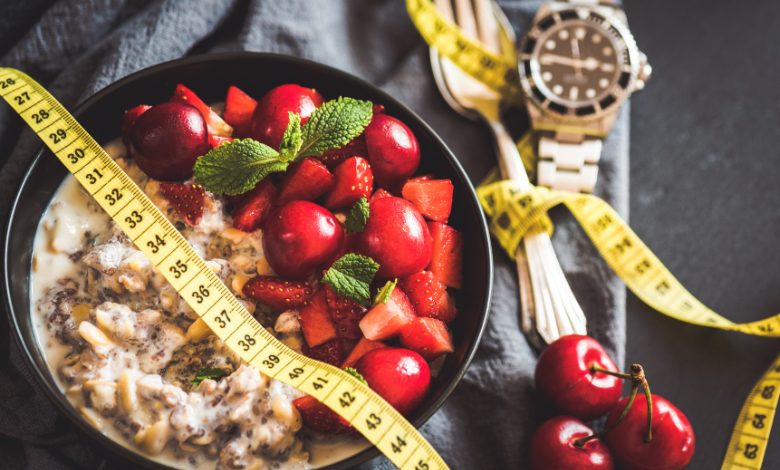
Fiber aids in digestion and can also keep you feeling full for longer. Snacks that are high in fiber include fruits like apples and berries, vegetables such as carrots and bell peppers, and whole grains like oatmeal or whole-grain crackers.
Healthy fats are important too. They provide energy and support cell growth. Snacks that contain healthy fats include avocados, nuts, seeds, and olives. These fats help keep you satisfied, which can prevent you from reaching for less healthy snack options.
Choosing snacks that are rich in these nutrients ensures your snacks are not only satisfying but also beneficial to your overall health and weight management efforts. By focusing on nutrient-dense foods for snacking, you support your body’s needs while also managing your weight effectively.
Smart Snack Ideas
Here are some smart snack ideas that blend taste with nutrition, helping you stay on track with your weight management goals:
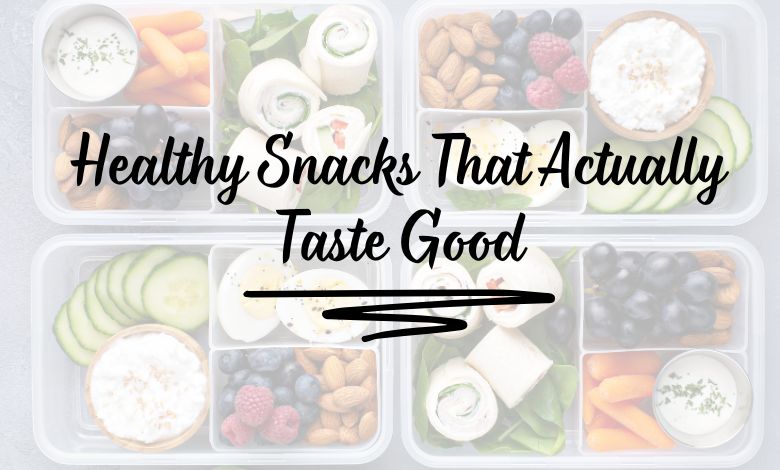
- Pair fruits and vegetables with protein-rich dips for a satisfying snack. Hummus or Greek yogurt dips are great choices. Try slicing carrots, bell peppers, or apples for dipping. These combinations give you a mix of vitamins, fiber, and protein.
- Whole grains like oatcakes or wholemeal crackers provide long-lasting energy. They are a good source of fiber, which helps keep you full. You can top them with a thin layer of peanut butter or a slice of cheese for extra protein.
- Nuts and seeds are excellent for a quick snack. Almonds, walnuts, or pumpkin seeds give you healthy fats and protein. Just remember, a small handful is enough to enjoy their benefits without too many calories.
- Low-fat dairy products, such as yogurt or cheese sticks, offer calcium and protein. Choosing low-fat options helps keep the calorie count down while still providing the nutrients you need to support your bones and muscles.
These snack options are not only tasty but also nutritious, making them perfect for managing hunger and supporting a healthy lifestyle.
Practical Tips for Smart Snacking
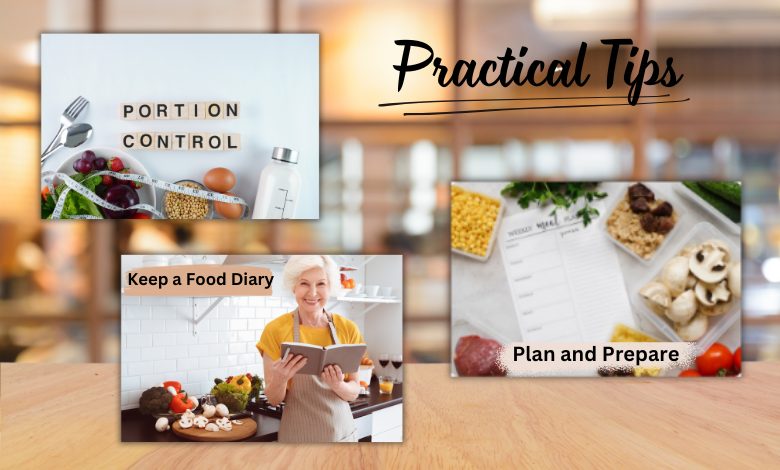
Here are some practical tips for smart snacking that can help you maintain your weight management goals:
Portion Control: It’s easy to overindulge in snacks, especially when they’re tasty. To avoid this, measure out your snacks instead of eating directly from the package. Use small plates or containers to help visualize the right amount. Remember, snacks are meant to tide you over until your next meal, not replace it.
Plan and Prepare: To avoid reaching for unhealthy snacks out of convenience, plan and prepare your snacks in advance. Dedicate some time each week to prepare healthy snack options that are ready to grab and go. Having cut-up vegetables, portioned nuts, or pre-packed fruit can make it easier to choose healthy snacks even when you’re busy.
Keep a Food Diary: Writing down what you eat can make you more aware of your snacking habits. Note down everything you snack on, including the time and how you felt. This can help you identify patterns, like reaching for snacks when you’re not truly hungry but perhaps bored or stressed. Being mindful of these habits is the first step toward making healthier snacking choices.
Following these tips can help you snack smarter, making it easier to stick to your weight management plan while still enjoying tasty and satisfying snacks.
Conclusion
Smart snacking is key for maintaining a healthy lifestyle and managing weight. It’s about choosing snacks rich in nutrients like protein, fiber, and healthy fats, which keep you satisfied and energized. Smart choices, portion control, planning ahead, and tracking your snacking habits can all support your health goals. By incorporating these practices, you can make snacking a positive and enjoyable part of your daily diet, helping you stay on track with your weight management.