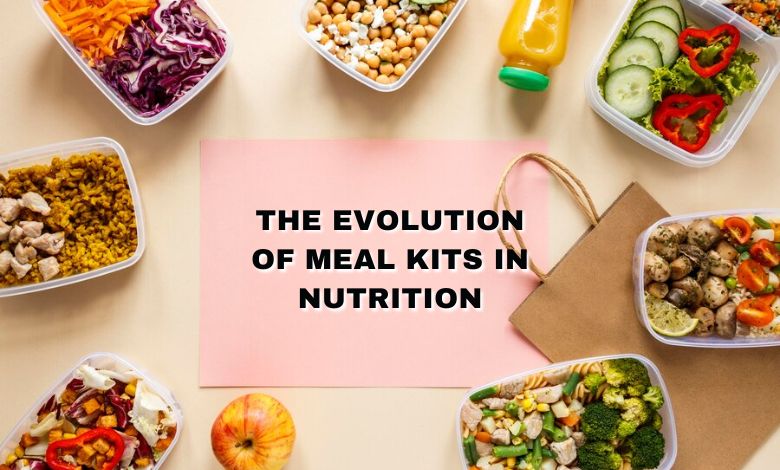
Healthy snacks play a key role in meeting kids’ nutritional needs. Finding snacks that are both nutritious and appealing can be a challenge. It’s important to choose options that are rich in vitamins, minerals, and other nutrients essential for growth and development, while also being tasty and enjoyable for kids. This overview will delve into various snack ideas that combine health benefits with flavors children love, focusing on natural ingredients like fruits, vegetables, proteins, and whole grains.
The Role of Snacks in a Child’s Diet
Snacks are more than just a way to keep hunger at bay between meals. For children, they’re an important part of their diet, offering a chance to fuel their bodies with essential nutrients needed for growth and development. Unlike adults, kids have smaller stomachs but require a large amount of energy and nutrients to support their fast-paced growth. This means they need to eat more often. Healthy snacks can provide a good portion of the daily nutrients children need, such as vitamins, minerals, fiber, and protein. Instead of reaching for processed foods high in sugar and unhealthy fats, choosing whole, nutrient-dense foods can make snack time both enjoyable and beneficial. The goal is to integrate snacks that contribute positively to a child’s diet while being delightful and fun to eat.
Criteria for Healthy Snacks
Healthy snacks are key to supporting a child’s energy and nutritional needs. Here are the criteria for what makes a snack healthy:
- Nutrient-rich: Snacks should be packed with vitamins, minerals, fiber, and protein. These nutrients are crucial for growth, development, and overall health.
- Low in added sugars and unhealthy fats: It’s important to minimize snacks high in added sugars and unhealthy fats. These can lead to health issues and do not provide lasting energy.
- Whole and unprocessed: Choose snacks made from whole, unprocessed ingredients. These foods are closer to their natural state and retain more of their nutritional value.
- Balanced: A good snack includes a mix of food groups, such as fruits or vegetables paired with proteins or whole grains. This combination helps keep kids full and energized.
- Appropriate portion sizes: Snacks should be just enough to satisfy hunger between meals, not replace them. Keeping portion sizes in check is key to maintaining a balanced diet.
Focusing on these criteria will help in selecting snacks that contribute positively to a child’s diet, offering a blend of taste and nutrition.
Review of Suggested Healthy Snacks for Kids
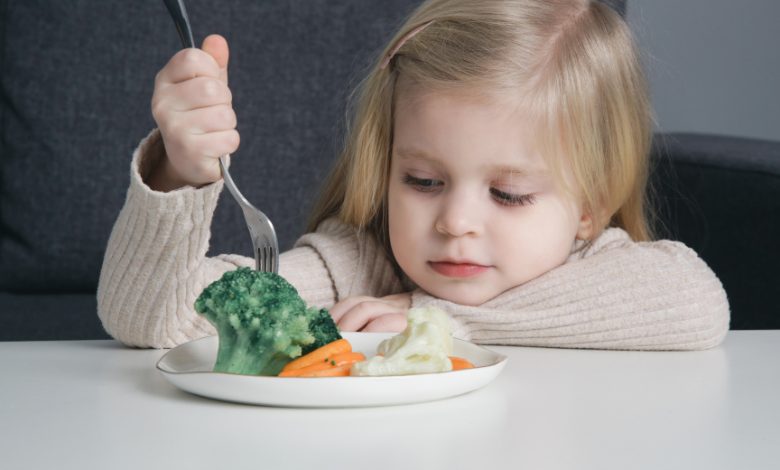
In exploring healthy snack options for kids, we find a variety of choices that meet the criteria of being nutritious, tasty, and easy to prepare. Here’s a review of some suggested healthy snacks that can fit into a child’s diet:
Fruits and Vegetables
Bell Peppers and Guacamole: This snack is a colorful combination of crunchy bell peppers and creamy guacamole. Bell peppers are rich in vitamins A and C, while guacamole, made from avocados, is a good source of healthy fats and fiber. Together, they make a snack that’s both nutritious and appealing to kids.
Protein-Rich Snacks
Protein is essential for growth and repair in the body. Snacks that are high in protein can also help kids feel full and satisfied between meals.
Cheese Slices with Whole Grain Crackers: Cheese provides calcium and protein, while whole grain crackers add fiber to the diet. This snack is simple to prepare and can be a satisfying midday treat for kids.
Whole Grains
Whole grains offer more nutrients and fiber than refined grains, making them a healthier choice for snack time.
Oatmeal with Fresh Fruit: Oatmeal is a comforting and nutritious snack that can be topped with fresh fruit for added vitamins and sweetness. It’s a warm snack option that’s especially good for colder days.
Dairy and Alternatives
Dairy products and their alternatives can provide calcium, vitamin D, and protein, important for bone health and growth.
Yogurt with Berries: Yogurt, especially the low-sugar variety, combined with berries, offers a snack that’s rich in protein, calcium, and antioxidants. It’s also a refreshing choice for a snack that kids can enjoy any time of the day.
These snack ideas are designed to be both healthy and enjoyable for kids, incorporating various food groups to ensure a balanced intake of nutrients. By choosing snacks from these categories, parents can provide their children with options that support their growth and development while satisfying their taste buds.
Tips for Presenting Healthy Snacks to Kids
Making healthy snacks appealing to kids can sometimes be a challenge. Here are straightforward tips to help present these snacks in a way that encourages children to enjoy them:
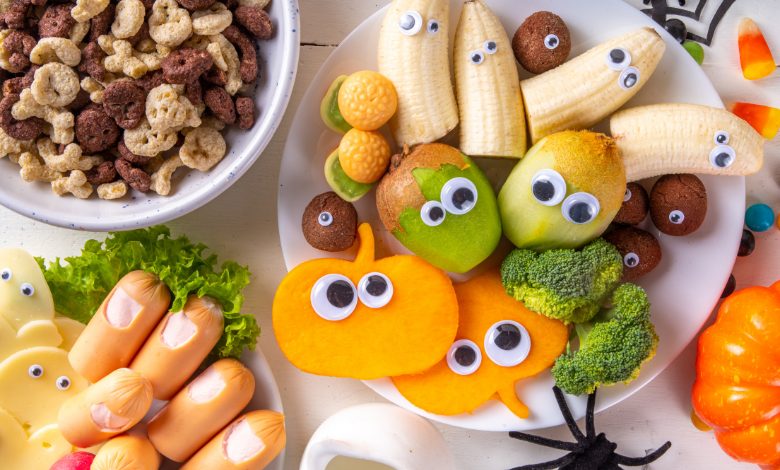
- Make It Colorful: Use a variety of colors. Bright and varied colors can make the snack more visually appealing to kids. For example, a plate with colorful fruits and vegetables can look more inviting.
- Involve Them in Preparation: When kids help in making their snacks, they’re more likely to eat them. Simple tasks like washing fruits or assembling ingredients can make snack time fun and engaging.
- Use Fun Shapes and Sizes: Cutting snacks into fun shapes or using cookie cutters on items like whole grain bread or cheese can make healthy snacks more interesting. Small, bite-sized pieces are also easier for kids to eat.
- Create Fun Names for Snacks: Giving snacks creative names can spark a child’s interest. For instance, “banana boats” or “magic carrot wands” can make ordinary snacks sound more exciting.
- Offer Variety: Rotate the snacks to prevent boredom. Offering different snacks throughout the week can keep children curious and more willing to try new things.
- Pair Flavors Smartly: Combine flavors that kids love. Pairing favorite foods with new or less preferred ones can make the latter more acceptable. For example, dipping vegetables in a favorite sauce or hummus can make them more palatable.
- Set a Positive Example: Children often mimic adults. Eating healthy snacks yourself can set a positive example, encouraging kids to make similar choices.
By implementing these tips, parents can make healthy snacks more appealing and fun for kids, encouraging better eating habits without making snack time a battle.
Conclusion
Choosing the right snacks is essential for ensuring children receive the nutrients they need for healthy growth and development. By focusing on snacks that are rich in vitamins, minerals, and other beneficial nutrients, while avoiding those high in added sugars and unhealthy fats, parents can support their child’s health. The reviewed snack options, including fruits, vegetables, proteins, and whole grains, offer a variety of choices that can cater to children’s tastes and nutritional needs. Additionally, the tips provided for making these snacks appealing to kids can help make healthy eating an enjoyable part of their daily routine. Ultimately, incorporating these healthy snacks into a child’s diet is a positive step towards promoting long-term health and well-being.