
Foam rolling is a technique that uses a cylindrical tube to apply pressure to muscles, helping relieve tightness and improve recovery after exercise. It’s a self-help method that’s gained popularity for its ability to mimic a deep tissue massage, targeting sore or tight spots to enhance flexibility and reduce discomfort. This approach is especially valued by those who regularly exercise, offering a way to maintain muscle health and prevent stiffness. We’ll cover how to use foam rollers effectively for muscle recovery, highlighting key exercises and tips to get the most out of this simple yet powerful tool.
The Basics of Foam Rolling
Foam rolling is a self-massage method that uses a firm foam cylinder to apply pressure on muscles. This practice is often used by people who exercise to help their muscles recover. The idea is to lay on or press against the foam roller and move slowly to target different muscle groups. The pressure from the roller can help to relax tight muscles, which might help to reduce soreness and make muscles feel better after workouts.
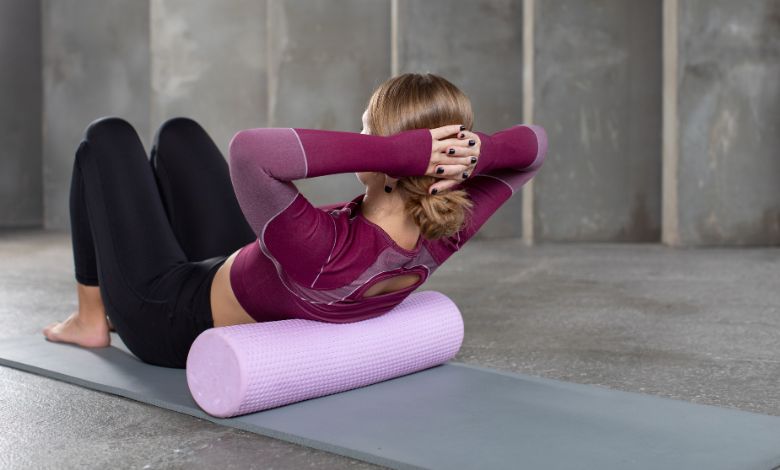
There are various types of foam rollers available, ranging in size, density, and surface texture. A softer foam roller is good for beginners or for those who prefer a gentler massage. As one gets more comfortable, they might opt for a denser roller, which can provide a deeper massage. Some rollers have textured surfaces designed to mimic the hands of a massage therapist, offering a more intense experience.
Benefits of Foam Rolling
Foam rolling offers several benefits for individuals engaging in physical activities, contributing to muscle health and performance. Here are the key advantages:
- Improves Flexibility: Regular use can help increase the flexibility of muscles and joints, making movements smoother and reducing the risk of injuries.
- Reduces Muscle Soreness: Helps ease the discomfort in muscles after workouts, aiding in quicker recovery and readiness for the next exercise session.
- Enhances Blood Circulation: By applying pressure and moving the roller across the body, it can improve blood flow to the muscles, delivering more oxygen and nutrients needed for repair.
- Decreases Muscle Tightness: Targets tight spots, known as knots, in the muscles, helping to relax them and improve overall muscle condition.
- Supports Injury Prevention: By maintaining muscle health through improved flexibility and reduced tightness, it can contribute to lowering the chance of exercise-related injuries.
- Promotes Relaxation: The massage-like action can be relaxing, reducing stress and tension in the body.
- Can Be Used for Warm-Up and Cool-Down: Versatile in use, it’s effective for preparing muscles before exercise and helping them recover afterward.
Step-by-Step Guide to Foam Rolling Exercises
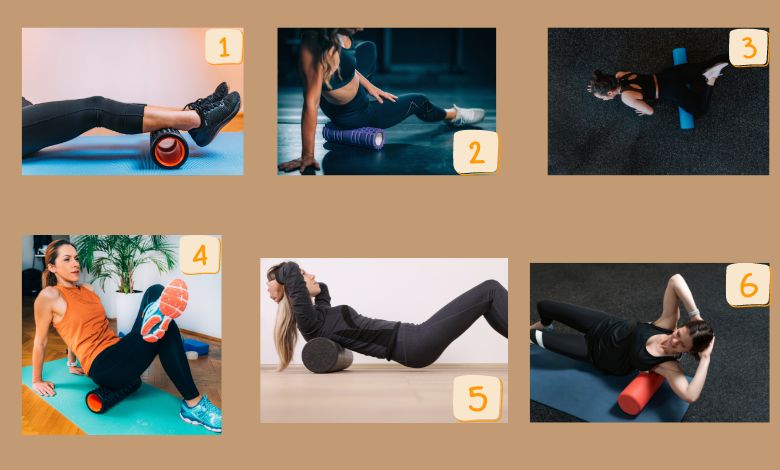
Here’s a straightforward guide to some basic foam rolling exercises designed to target key muscle groups:
1. Calves
- Position: Sit on the floor, extend your legs, and place the roller under your calves.
- Action: Slowly move your body back and forth to roll from the lower knees to the ankles.
2. Hamstrings
- Position: Sit with the roller under your thighs.
- Action: Use your hands to lift your hips, then roll from the bottom of your buttocks to your knees.
3. Quadriceps
- Position: Lie face down, placing the roller under your front thighs.
- Action: Using your forearms for support, roll along your thighs from your hips to your knees.
4. Glutes
- Position: Sit on the roller.
- Action: Cross one leg over the thigh of the other leg. Lean into the hip of the crossed leg and roll back and forth.
5. Back
- Position: Lie on your back with the roller placed under your lower back.
- Action: Support your head with your hands, keep your knees bent, and gently roll from the base of your spine up to the middle of your back.
6. Shoulders and Upper Arms
- Position: Lie on your side and place the roller under your arm.
- Action: Slowly roll back and forth from your armpit to just above your elbow.
For each exercise:
- Spend around 30 seconds on each muscle group.
- Roll slowly and pause on spots that feel particularly tight, but avoid rolling over bones and joints.
- If a spot feels too sensitive or painful, ease off the pressure.
These exercises aim to help release muscle tension and improve mobility. Regular practice can be a valuable addition to a physical fitness routine.
Precautions and Best Practices
When using foam rollers for muscle recovery, it’s important to follow certain precautions and best practices to ensure safety and effectiveness. Here are some key points to consider:
- Start Gently: Begin with light pressure and increase gradually as your muscles get used to foam rolling.
- Avoid Rolling Over Joints: Focus on muscle tissue and avoid rolling directly over joints and bones to prevent discomfort and injury.
- Listen to Your Body: Pay attention to how your body feels. If you encounter a spot that’s especially painful, ease the pressure instead of forcing it.
- Keep Movements Slow and Controlled: Move slowly over the foam roller to effectively target muscle tissues. Quick rolling is less effective and can cause unnecessary strain.
- Use Regularly but Don’t Overdo It: Regular foam rolling can help with muscle recovery, but overdoing it, especially on the same muscle groups, can lead to irritation or harm.
- Hydrate: Drinking water after foam rolling can help flush out toxins released from the muscles during the process.
- Combine with Other Recovery Methods: Foam rolling is most effective when used as part of a comprehensive recovery plan that includes stretching, hydration, and proper nutrition.
Following these guidelines can help you gain the benefits of foam rolling while minimizing the risk of injury.
When to Foam Roll
Incorporating foam rolling into your routine can be beneficial at various times, each serving a specific purpose for muscle recovery and flexibility. Before exercise, using a foam roller as part of your warm-up routine can help increase blood flow and loosen the muscles, preparing your body for the physical activity ahead and potentially reducing the risk of injury.
After exercising, foam rolling serves as an excellent cool-down method, aiding in muscle recovery by helping to reduce soreness and prevent muscle tightness. On rest days, it’s also beneficial to use a foam roller to maintain muscle flexibility and alleviate any lingering tightness, keeping your muscles in optimal condition even when you’re not actively working out.
Additionally, if you feel specific areas of tightness or discomfort in your muscles during the day, a brief session of foam rolling can provide targeted relief and improve mobility. By strategically incorporating foam rolling at these times, you can enhance your overall fitness and wellness, supporting muscle recovery, flexibility, and well-being.
Conclusion
Foam rolling is a practical and effective method for aiding muscle recovery, improving flexibility, and enhancing overall well-being. Its benefits range from reducing muscle soreness to increasing blood circulation, making it a valuable addition to any fitness routine. Whether used as part of a warm-up, cool-down, or on rest days, foam rolling can help keep muscles feeling their best. It’s important, however, to approach foam rolling with care, following proper techniques and listening to your body’s signals to avoid discomfort or injury. Incorporating foam rolling into your regular fitness regimen can be a simple yet powerful way to support your body’s recovery process and maintain optimal muscle health.


