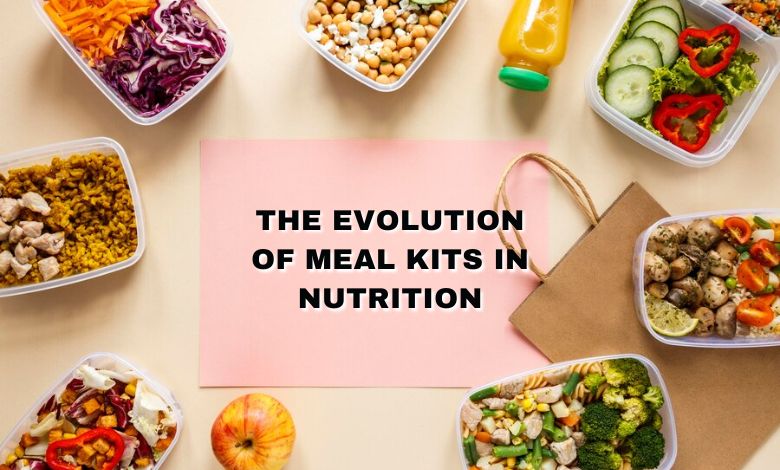
Meal kits, initially a fresh concept for making home cooking easier, have grown into a significant industry, particularly with the rise during the COVID-19 pandemic. This increase in use raises questions about their nutritional value. As we look into the meal kit industry, covering options from budget to premium, this text aims to investigate their nutritional development. Are meal kits merely about convenience, or do they offer real benefits to our diets? By analyzing their ingredients and comparing them with traditional home-cooked meals, we aim to highlight their place in contemporary nutrition and assess if they provide a healthy option for those with busy lives.
The Rise of Meal Kits
Meal kits emerged in Sweden in 2007, revolutionizing home cooking by delivering pre-measured ingredients and recipes directly to consumers. This concept quickly gained popularity, spreading globally with companies like Blue Apron and Hello Fresh entering the U.S. market around 2012. Initially appealing to urban dwellers with limited access to grocery stores, meal kits became a convenient solution for trying new recipes without the hassle of meal planning and grocery shopping. As the variety of meal kits expanded, so did their appeal, catering to specific dietary preferences and introducing consumers to a world of culinary diversity.
The COVID-19 pandemic significantly boosted the meal kit industry’s growth as more people found themselves cooking at home. The restrictions on dining out and the increased need for meal variety in the safety of one’s home made meal kits an attractive option. This surge in demand led to a broadening of the market, with kits now offering everything from quick meals to gourmet experiences, catering to the evolving tastes and nutritional needs of consumers worldwide. Today, meal kits represent not just a convenience but a gateway to exploring new foods and cooking techniques, solidifying their place in the modern culinary landscape.
Meal Kits and Nutritional Awareness

- Nutritional Design: Meal kits are often created to offer balanced meals, incorporating fresh, pre-portioned ingredients like vegetables, lean proteins, and whole grains.
- Healthier Alternatives: They serve as healthier options compared to processed foods or takeout, which typically have higher sodium and unhealthy fats.
- Variation in Nutritional Value: The nutritional content can differ significantly across various meal kits and companies, with some focusing more on flavor than nutrition.
- Diet-Specific Options: Recognizing diverse dietary needs, many meal kit services now provide specialized menus (e.g., low-sugar, plant-based) catering to specific health goals.
- Consumer Awareness: There’s an increasing consumer demand for meal solutions that support a healthy lifestyle, driving meal kit companies to offer nutritionally balanced options without compromising on taste.
COVID-19: A Catalyst for Change
The COVID-19 pandemic has significantly influenced the meal kit industry, driving a surge in demand as more people found themselves cooking at home. With restrictions on dining out and an increased focus on home-cooked meals for health and safety, meal kits became an attractive option for many. This shift led to an expansion in the variety of meal kits available, catering to a broader range of tastes, dietary needs, and cooking skills.
During the pandemic, meal kits not only offered convenience but also provided a safe way to explore new cuisines and recipes without the need to visit crowded supermarkets. This period highlighted the potential of meal kits to contribute positively to nutritional awareness and cooking habits, as they encouraged home cooking with fresh ingredients. The pandemic, thus, acted as a turning point, underscoring the relevance of meal kits in modern dietary practices and their role in promoting healthier eating habits in challenging times.
Meal Kits: Beyond Convenience
- Introducing New Flavors: Meal kits open up a world of culinary exploration, offering recipes from global cuisines that users might not try on their own.
- Reducing Food Waste: By providing exact ingredient amounts needed for each recipe, meal kits help minimize food waste.
- Catering to Dietary Needs: They offer a range of options tailored to various dietary preferences, such as vegan, gluten-free, and low-carb meals.
- Educational Value: Meal kits serve as a cooking lesson in a box, enhancing cooking skills and kitchen confidence, especially for beginners.
- Promoting Healthy Eating: Encouraging cooking at home with fresh ingredients, meal kits contribute to healthier eating habits compared to relying on processed foods or takeout.
- Time and Planning Efficiency: They eliminate the need for meal planning and grocery shopping, fitting well into busy lifestyles while still allowing for home-cooked meals.
- Expanding Culinary Horizons: Meal kits introduce users to new ingredients and cooking techniques, broadening their culinary knowledge and experience.
By offering more than just convenience, meal kits play a significant role in modern eating habits, promoting a balanced diet, reducing waste, and making cooking accessible to all skill levels.
The Future of Meal Kits in Nutrition

- Emphasis on Nutritional Balance: Future meal kits will focus more on providing balanced, health-focused meals catering to specific dietary needs and health goals.
- Increased Personalization through Technology: Integration with digital platforms will allow for personalized meal planning based on individual health goals, dietary restrictions, and preferences.
- Sustainability Practices: A shift towards eco-friendly packaging and sourcing ingredients locally and seasonally to minimize environmental impact.
- Educational Aspect: Beyond cooking, meal kits will aim to educate users on nutritional awareness, guiding them to make healthier food choices.
- Support for Special Diets: Enhanced offerings for special dietary needs, including weight management, heart health, diabetic-friendly, and other health-conscious diets.
- Community and Support Networks: Development of online communities or support networks around meal kits, offering users tips, recipes, and nutritional advice.
- Collaboration with Health Professionals: Partnerships with nutritionists and dietitians to develop meal kits that are not only convenient but also nutritionally optimized.
The trajectory for meal kits is towards becoming an integral part of a health-conscious lifestyle, merging convenience with nutritional education and sustainability.
Conclusion
Meal kits have evolved from a convenient solution for busy lifestyles to a significant player in promoting healthier eating habits and nutritional awareness. The COVID-19 pandemic accelerated this trend, highlighting their value in offering diverse, diet-specific options that cater to a wide range of dietary needs. Looking ahead, the future of meal kits lies in their ability to integrate with personalized nutrition plans, adopt sustainable practices, and educate consumers on making informed food choices. As the meal kit industry continues to adapt and innovate, it stands to play a pivotal role in shaping modern dietary patterns for the better.