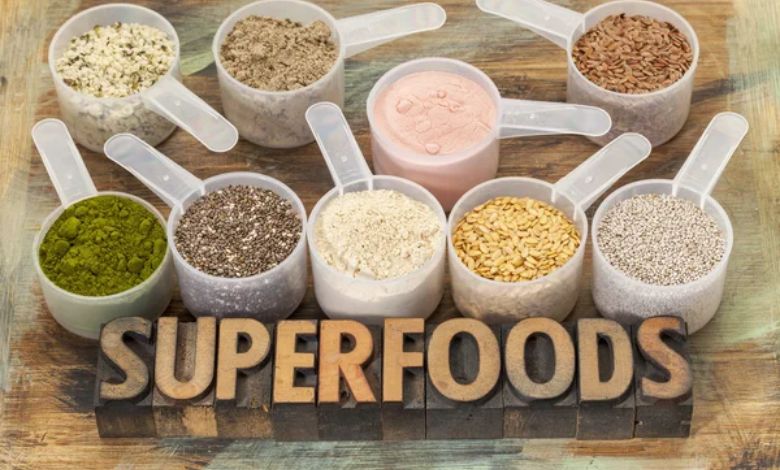
Eating the right foods can have a big impact on our immune system’s ability to fight off illnesses. Certain “superfoods” are especially good at this because they’re loaded with the nutrients our bodies need to stay strong. These include fruits and vegetables high in vitamins, grains, and legumes full of fiber, and fish rich in healthy fats. Each of these foods brings something special to the table, helping our immune system in different ways. Understanding which foods support immune health and how they work can help us make better choices in our daily diets.
Understanding Immunity and Nutrition
Our immune system is like a bodyguard, protecting us from sickness by fighting off germs and diseases. It’s made up of different parts, including cells and organs, that work together to keep us healthy. For this system to function well, it needs the right kind of fuel. This is where nutrition comes into play.
Eating the right foods gives our immune system the nutrients it needs to work properly. Foods that are rich in vitamins, minerals, and antioxidants are especially important. They help our immune cells grow strong and ready to defend the body. For example, vitamin C found in fruits helps produce more of the white blood cells that fight infections. Similarly, foods like fish that are high in omega-3 fatty acids help reduce inflammation, making it easier for the immune system to do its job.
What we eat directly affects how well our immune system can protect us. By choosing foods packed with essential nutrients, we can help keep our body’s defense system strong and ready to fight off illnesses.

Superfoods for Immune Support
When it comes to boosting our immune system, certain superfoods can play a significant role. These foods are packed with nutrients that help our bodies fight off illnesses. Let’s take a closer look at some of these superfoods and the benefits they offer:
Kiwis and Citrus Fruits: These fruits are well-known for their high vitamin C content. Vitamin C is crucial for the production of white blood cells, which are the body’s main line of defense against infections.
Mushrooms: Not just a tasty addition to many dishes, mushrooms contain beta-glucan, a substance that helps stimulate the immune system, making it more efficient in fighting off pathogens.
Salmon: This fish is rich in omega-3 fatty acids and vitamin D, both of which are important for maintaining a strong immune function. Omega-3s help reduce inflammation, while vitamin D is essential for immune cell operation.
Beans and Lentils: Loaded with zinc, beans, and lentils support the production of white blood cells and enhance our immune response. Zinc is a mineral that our body can’t produce on its own, so we need to get it from our diet.
Tea (especially Green Tea): Tea is full of antioxidants that support immune health. Green tea, in particular, contains compounds that have been shown to enhance immune function.
Leafy Greens: Vegetables like spinach and kale are high in vitamins and minerals, including vitamins A, C, and K, which all contribute to a well-functioning immune system. They also provide the body with necessary nutrients for cell production and repair.
Berries: Berries such as strawberries, blueberries, and raspberries are high in antioxidants. These compounds help protect the body’s cells from damage and support the immune system’s ability to fight against illnesses.
Lean Proteins: Foods like chicken, turkey, and tofu are excellent sources of protein, which is essential for the repair of body tissues and the production of antibodies that help fight off infections.
Incorporating these superfoods into your diet can help ensure your immune system has the support it needs to protect your body from illness and keep you feeling your best.

Lifestyle Factors Affecting Immune Health
Besides eating the right foods, other lifestyle choices play a big role in keeping our immune system strong. Getting enough sleep, staying active, and managing stress are key factors that can impact our health.
- Sleep: Good sleep is crucial. When we sleep, our body repairs itself and regenerates immune cells. Not getting enough rest can make us more likely to get sick.
- Exercise: Regular physical activity helps our immune system fight off infections. It doesn’t have to be intense; even daily walks can make a difference. Exercise also helps reduce stress, which brings us to the next point.
- Stress Management: High levels of stress for a long time can weaken our immune system. Finding ways to relax, like meditation, reading, or spending time in nature, can help manage stress and keep our immune system healthy.
Together with a balanced diet, these lifestyle habits can support our body’s defense system and contribute to overall well-being.
Conclusion
Incorporating a variety of superfoods into our diets is crucial for bolstering our immune system. These nutrient-rich foods, along with healthy lifestyle choices like adequate sleep, regular exercise, and effective stress management, form a comprehensive approach to maintaining robust immune health. By valuing nutrition as a fundamental component of our immune defense strategy, we empower ourselves to make daily choices that enhance our body’s ability to ward off illnesses and maintain overall well-being.