
Zinc is a powerhouse mineral that our bodies rely on for many important functions. Zinc benefits include keeping our immune system strong, helping our skin stay healthy, and even boosting our brainpower. Since our bodies can’t produce zinc, we have to get it from our diet. Luckily, foods like meat, seafood, and nuts are packed with this vital nutrient. Getting enough zinc is key to feeling your best and staying healthy.
Adding zinc to your daily routine can make a big difference. From supporting your immune system to improving your skin and mental sharpness, zinc is essential for a balanced, vibrant life. Let’s explore how this amazing mineral can elevate your health and enhance your overall well-being.
What Exactly Is Zinc and Why Do You Need It?
Zinc is a trace mineral, meaning our bodies require it in small amounts, but its impact is substantial. It is essential for various bodily functions, including enzyme activity, protein synthesis, and immune system performance. Zinc is involved in over 300 enzymatic reactions in the body, making it crucial for processes such as cell growth, DNA synthesis, and repair. It also plays a vital role in maintaining our senses of taste and smell.
Zinc helps support a healthy immune system by activating T-lymphocytes (T-cells), which are critical for immune responses. It aids in wound healing by promoting cell growth and repair. Zinc is also necessary for proper development during pregnancy, childhood, and adolescence.
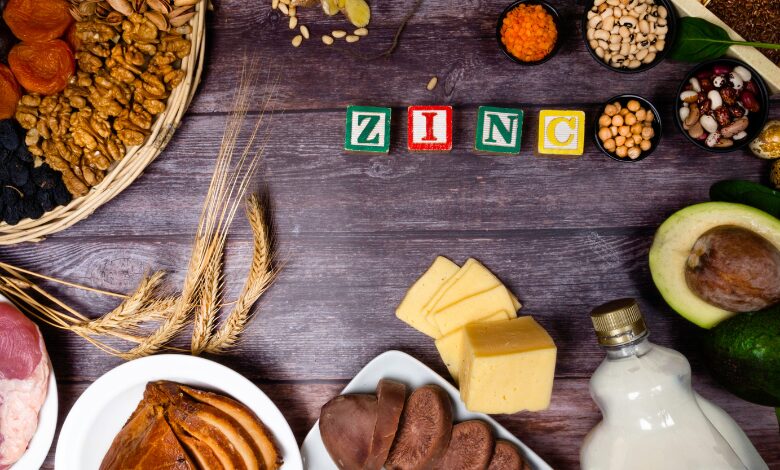
You can obtain zinc naturally through a variety of foods. Rich sources of zinc include:
- Meat: Beef, pork, and lamb are excellent sources of zinc.
- Seafood: Shellfish, particularly oysters, crabs, and lobsters, are high in zinc.
- Dairy Products: Milk, cheese, and yogurt provide a good amount of zinc.
- Nuts and Seeds: Almonds, cashews, and pumpkin seeds are zinc-rich snacks.
- Whole Grains: Foods like quinoa, oats, and brown rice contain zinc.
- Legumes: Chickpeas, lentils, and beans are plant-based sources of zinc.
Including a variety of these foods in your diet can help ensure that your body gets the zinc it needs to function optimally. Regular consumption of zinc-rich foods supports overall health and well-being, highlighting the importance of this vital mineral in our daily lives.
Key Health Benefits of Zinc
Zinc is a powerhouse mineral with numerous health benefits that are essential for overall well-being. Here are some of the key advantages of incorporating zinc into your diet:
➤ Boosting Immune Function
Zinc plays a critical role in maintaining a robust immune system. It helps activate T-lymphocytes (T-cells), which are necessary for defending the body against infections. Adequate zinc levels can help reduce the duration and severity of common colds and other illnesses.
➤ Enhancing Skin Health
Zinc is vital for skin repair and maintenance. It helps in healing wounds, reducing inflammation, and preventing acne. By supporting the production of new cells, zinc contributes to a healthier, clearer complexion.
➤ Supporting Cognitive Health
Zinc is crucial for brain function and development. It aids in neurotransmitter function and communication between brain cells, which are essential for memory and learning. Adequate zinc levels can help improve cognitive performance and protect against age-related cognitive decline.
➤ Promoting Hormonal Balance
Zinc is involved in the production and regulation of hormones, including insulin, thyroid hormones, and sex hormones. This balance is essential for reproductive health, metabolic function, and overall hormonal harmony.
➤ Strengthening Metabolism
Zinc supports metabolic processes by aiding enzyme function and energy production. It helps the body metabolize carbohydrates, proteins, and fats efficiently, contributing to overall energy levels and metabolic health.
➤ Improving Physical Performance
Zinc is beneficial for physical performance and muscle recovery. It helps maintain muscle strength, enhances endurance, and supports the body’s ability to recover after intense physical activity.
Ensuring you get enough zinc every day can significantly impact your overall health. By incorporating zinc-rich foods into your diet, you can support various essential bodily functions and maintain peak well-being.
Zinc’s Role in Metabolism
Zinc is a vital mineral that plays an integral role in the body’s metabolic processes. It is a key component of numerous enzymes that facilitate biochemical reactions necessary for metabolism. These enzymes are involved in the breakdown of carbohydrates, proteins, and fats, converting these macronutrients into usable energy. This energy is essential for sustaining bodily functions and supporting physical activity.
Key Functions of Zinc in Metabolism:
- Energy Production: Zinc is necessary for the proper function of enzymes that produce adenosine triphosphate (ATP), the primary energy carrier in cells. ATP stores and transports chemical energy within cells, making it crucial for various physiological processes. Adequate zinc levels ensure that these enzymes function efficiently, promoting optimal energy production and availability.
- Nutrient Absorption: Zinc is essential for the digestion and assimilation of nutrients from food. It aids in the synthesis of digestive enzymes and stomach acid, which are critical for breaking down food and extracting nutrients. Ensuring effective nutrient absorption supports overall health and vitality.
- Hormonal Regulation: Zinc plays a role in regulating metabolism at the hormonal level. It is involved in the production and function of insulin, a hormone that regulates blood sugar levels and influences metabolic rate. Proper insulin function is crucial for maintaining stable blood glucose levels and preventing metabolic disorders such as diabetes.
- Thyroid Function: Zinc supports the synthesis and activation of thyroid hormones, which regulate the body’s metabolic rate, energy production, and overall metabolism. Maintaining healthy thyroid function is essential for metabolic processes to run smoothly.
Overall, zinc’s involvement in enzymatic reactions, energy production, nutrient absorption, and hormonal regulation underscores its importance in maintaining a healthy metabolism. Ensuring adequate zinc intake through diet can help support these vital processes, promoting energy balance and overall metabolic health.
Daily Zinc Intake
Zinc is an essential mineral that our bodies require in specific amounts to maintain optimal health. The recommended daily intake of zinc varies based on age, gender, and life stage. According to the National Institutes of Health (NIH), here are the general guidelines for daily zinc intake:
- Infants (0-6 months): 2 mg
- Infants (7-12 months): 3 mg
- Children (1-3 years): 3 mg
- Children (4-8 years): 5 mg
- Children (9-13 years): 8 mg
- Teenage boys (14-18 years): 11 mg
- Teenage girls (14-18 years): 9 mg
- Adult men: 11 mg
- Adult women: 8 mg
- Pregnant teens: 12 mg
- Pregnant adults: 11 mg
- Breastfeeding teens: 13 mg
- Breastfeeding adults: 12 mg
Ensuring that you get the recommended amount of zinc daily is crucial for supporting various bodily functions and maintaining overall health
Common Signs of Zinc Deficiency:
- Weakened Immune System: Increased susceptibility to infections and slower wound healing.
- Hair Loss: Noticeable thinning or increased shedding of hair.
- Skin Issues: Development of acne, rashes, or dry skin.
- Loss of Appetite: Reduced desire to eat, potentially leading to unexplained weight loss.
- Impaired Sense of Taste or Smell: Difficulty detecting flavors and odors.
- Growth Delays: In children, slower physical growth and development.
- Cognitive Issues: Problems with memory, concentration, or learning.
Recognizing these signs can help identify a potential zinc deficiency. To ensure adequate zinc intake, consider incorporating zinc-rich foods such as meat, seafood, dairy products, nuts, seeds, and whole grains into your diet. This approach helps maintain appropriate zinc levels, supporting your overall health and well-being
Zinc and Physical Performance
Zinc is essential for maintaining physical performance and overall fitness. It plays a significant role in muscle function, recovery, and endurance.
Muscle Function and Growth
Zinc contributes to muscle function by supporting the production of proteins necessary for muscle repair and growth. It helps in the synthesis of new cells, including muscle cells, which is crucial for muscle recovery after exercise. Adequate zinc levels are important for athletes and those engaged in regular physical activity to maintain muscle strength and prevent muscle fatigue.
Recovery and Healing
Zinc aids in the recovery process by promoting the healing of tissues damaged during intense physical activity. It supports the immune system, which is often taxed during strenuous exercise, helping to prevent illness and speed up recovery times. This mineral is also involved in reducing inflammation and oxidative stress, both of which are common after vigorous workouts.
Endurance and Energy Production
Zinc is vital for the body’s energy production mechanisms. It plays a role in metabolizing carbohydrates, proteins, and fats, converting them into energy. This energy is essential for sustained physical activity and endurance. Zinc also supports the function of red blood cells, which transport oxygen to muscles during exercise, enhancing overall performance and stamina.
Hormonal Balance
Zinc is crucial for maintaining hormonal balance, including testosterone levels, which are important for muscle growth and physical performance. It helps regulate the production and release of hormones that influence energy levels and metabolism.
Ensuring adequate zinc intake can have a profound impact on physical performance. Incorporating zinc-rich foods such as meat, seafood, dairy products, nuts, seeds, and whole grains into your diet can help support your fitness goals and overall health.
Understanding Zinc Deficiency
Zinc deficiency occurs when the body does not have enough zinc to support its critical functions. This condition can lead to a range of health issues and can affect various bodily systems.
Causes of Zinc Deficiency
Zinc deficiency can be caused by several factors, including:
- Inadequate Dietary Intake: Not consuming enough zinc-rich foods, such as meat, seafood, dairy, nuts, and whole grains, can lead to deficiency.
- Poor Absorption: Certain digestive disorders, like Crohn’s disease or celiac disease, can impair the body’s ability to absorb zinc from food.
- Increased Requirements: Periods of rapid growth (e.g., childhood, adolescence, pregnancy), illness, or recovery from surgery can increase the body’s zinc needs.
- Chronic Conditions: Conditions such as chronic kidney disease or liver disease can lead to decreased zinc levels.
At-Risk Populations
Certain groups are more vulnerable to zinc deficiency, including:
- Vegetarians and Vegans: Plant-based diets can lack sufficient zinc or contain phytates that inhibit zinc absorption.
- Pregnant and Breastfeeding Women: Higher zinc requirements during these life stages.
- Infants and Young Children: Increased needs for growth and development.
- Elderly: Reduced zinc absorption and often inadequate dietary intake.
- People with Chronic Illnesses: Conditions like diabetes, renal disease, and liver disease can affect zinc levels.
Prevention and Management
Preventing zinc deficiency involves ensuring an adequate intake of zinc-rich foods. For those at risk or already deficient, incorporating dietary sources such as meat, seafood, dairy products, nuts, seeds, and whole grains can help. In some cases, zinc supplements may be necessary, but it’s important to consult with a healthcare provider before starting any supplementation.
Understanding and addressing zinc deficiency is crucial for maintaining overall health and preventing the wide array of issues that can arise from insufficient zinc levels.
Conclusion
Zinc is a vital mineral that supports numerous essential bodily functions, including immune health, skin repair, cognitive function, and metabolism. Ensuring adequate zinc intake is crucial for overall well-being, as it helps maintain energy levels, supports hormonal balance, and aids in muscle recovery and performance. Recognizing the signs of zinc deficiency, such as weakened immunity, skin issues, and cognitive difficulties, can help you take steps to address any potential shortfalls.
Incorporating zinc-rich foods like meat, seafood, dairy products, nuts, seeds, and whole grains into your diet is a natural way to boost your zinc levels. By understanding the importance of zinc and maintaining proper intake, you can enhance your health and prevent the wide array of issues that can arise from a deficiency. Maintaining adequate zinc levels is key to achieving a balanced and healthy lifestyle.


