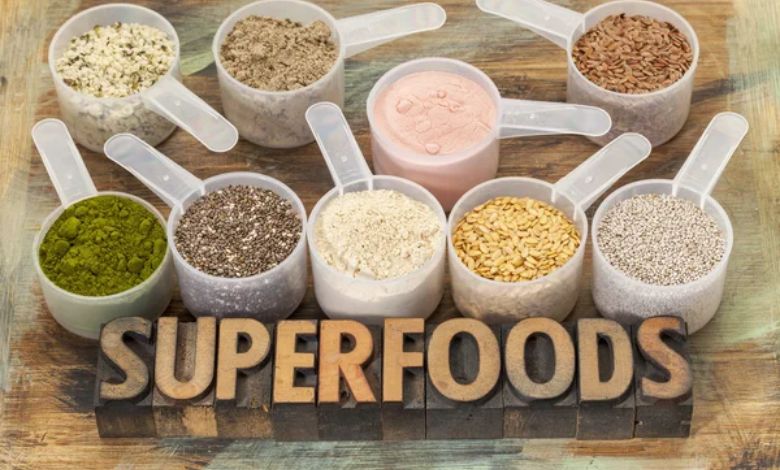
Superfoods are a diverse group of nutrient-rich foods that offer a myriad of health benefits. They are known for their high content of vitamins, minerals, and antioxidants, which can help boost the immune system, improve heart health, and enhance overall well-being. From colorful fruits and vegetables to whole grains, nuts, and seeds, superfoods come in many forms. Each superfood brings its unique set of nutrients that contribute to a balanced and healthy diet. Incorporating these foods into your daily meals is a straightforward way to nourish your body and support your health goals.
What Are Superfoods?
Superfoods are foods known for their high nutrient value. They pack a lot of vitamins, minerals, and antioxidants in each bite. Unlike other foods, superfoods offer more than just basic nutrition. They help your body fight against sickness, keep your heart in good shape, and can even make your brain work better. These foods are not hard to find or expensive; you can often find them in your local grocery store. They include a wide range of items like fruits, vegetables, grains, nuts, and seeds. Each superfood has its own special benefits, but all of them share the common feature of being great for your health. Adding these foods to your diet is a simple way to take care of your body and improve your daily nutrition.
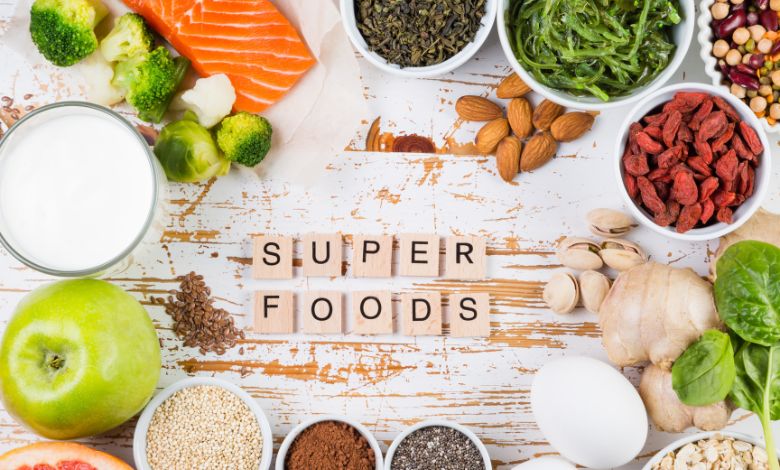
Colorful and Nutrient-Dense Superfoods
- Dark Leafy Greens (Spinach, Kale): Loaded with vitamins A, C, and K. Essential for bone health, immune function, and overall well-being.
- Berries (Blueberries, Strawberries, Raspberries): Rich in antioxidants and flavonoids, supporting heart health and reducing inflammation.
- Orange and Yellow Foods (Sweet Potatoes, Carrots): High in beta-carotene, which is crucial for good vision, skin health, and immune support.
- Red Foods (Tomatoes, Red Peppers): Contain lycopene, an antioxidant linked to reduced risk of certain diseases.
- Purple and Blue Foods (Eggplants, Blackberries): Packed with anthocyanins, antioxidants that may support brain health and reduce risk of heart disease.
- Nuts and Seeds (Walnuts, Flaxseeds): Offer healthy fats, fiber, and protein; beneficial for heart and brain health.
- Whole Grains (Quinoa, Oats): Provide essential fibers, vitamins, and minerals, supporting digestion and energy levels.
- Legumes (Beans, Lentils): Great sources of plant-based protein, fiber, iron, and folate, promoting heart health and aiding in weight management.
Including these colorful and nutrient-dense foods in your diet can help ensure you’re getting a wide range of nutrients needed for optimal health.
Superfoods for Immune Support

Superfoods play a crucial role in supporting the immune system. These foods are not only nutrient-dense but also contain specific components that help the body fight off illnesses. For example:
- Citrus Fruits: Oranges, lemons, and grapefruits are packed with vitamin C, which is known to increase the production of white blood cells. These cells are key to fighting infections.
- Ginger: Apart from its anti-inflammatory properties, ginger can help reduce sore throat and other inflammatory illnesses.
- Garlic: Its immune-boosting properties come from a heavy concentration of sulfur-containing compounds, such as allicin, which are effective in fighting infections.
- Spinach: Not just rich in vitamin C, spinach is also packed with numerous antioxidants and beta carotene, which may increase the infection-fighting ability of our immune systems.
- Yogurt: Look for yogurts that have “live and active cultures” printed on the label, like Greek yogurt. These cultures may stimulate your immune system to help fight diseases.
- Almonds: Vitamin E is key to a healthy immune system, and almonds are packed with it. It’s a fat-soluble vitamin, meaning it requires the presence of fat to be absorbed properly.
- Turmeric: Known for its anti-inflammatory properties, turmeric has been shown to enhance immune function.
- Green Tea: Packed with flavonoids, a type of antioxidant, green tea also has high levels of epigallocatechin gallate (EGCG), another powerful antioxidant known for enhancing immune function.
Incorporating these superfoods into your diet can provide a natural boost to your immune system, helping your body to ward off colds, the flu, and other infections.
Heart-Healthy Superfoods
Heart-healthy superfoods are essential for maintaining a strong and healthy heart. These foods are rich in nutrients that help in lowering blood pressure, reducing cholesterol, and improving overall heart function. Here are some key superfoods that are beneficial for heart health:
- Oats: Oats are a great source of soluble fiber, which can lower the levels of bad cholesterol (LDL) in your blood. Eating oats regularly can help maintain a healthy heart.
- Berries: Blueberries, strawberries, and other berries are full of heart-healthy phytonutrients and soluble fiber. They help to reduce heart disease risk.
- Nuts: Walnuts and almonds are high in monounsaturated fats, omega-3 fatty acids, and fiber. These nutrients are beneficial in keeping the heart healthy by lowering bad cholesterol levels and reducing the risk of artery disease.
- Leafy Green Vegetables: Spinach, kale, and other green vegetables are high in vitamins, minerals, and antioxidants. They’re particularly rich in vitamin K, which helps protect arteries and promote proper blood clotting.
- Avocados: Rich in monounsaturated fats, avocados can help reduce LDL cholesterol levels and increase the amount of HDL cholesterol in your body.
- Fatty Fish: Salmon, mackerel, and sardines are excellent sources of omega-3 fatty acids, which have been found to lower the risk of arrhythmias and reduce blood pressure.
- Whole Grains: Foods like quinoa, brown rice, and whole wheat are good sources of fiber and other nutrients that help regulate blood pressure and heart health.
- Dark Chocolate: Dark chocolate is rich in antioxidants like flavonoids, which can help boost heart health. However, it’s important to choose varieties that contain at least 70% cocoa and consume it in moderation.
Including these superfoods in your diet can significantly contribute to maintaining a healthy heart and preventing heart-related issues.
Superfoods for Brain Health
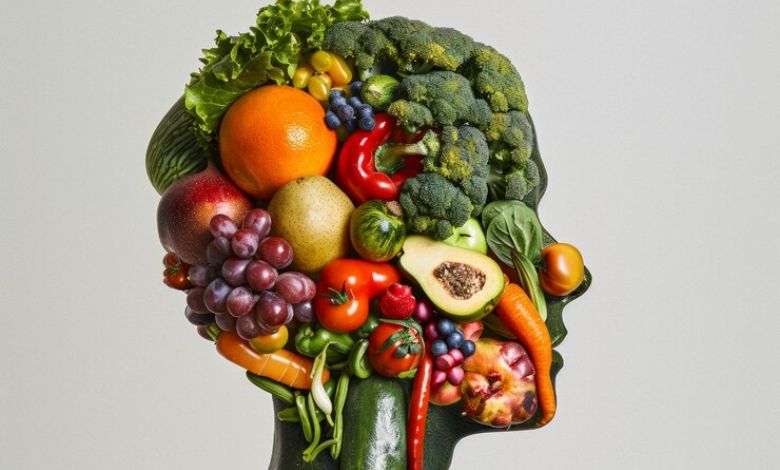
Superfoods for brain health are crucial for maintaining cognitive function and memory as we age. These foods are rich in antioxidants, healthy fats, vitamins, and minerals that support brain cells and protect against cognitive decline. Here are several superfoods known for their brain health benefits:
- Walnuts: These nuts are a great source of alpha-linolenic acid, a type of omega-3 fatty acid that helps improve brain health. Regular consumption can contribute to better cognitive function.
- Blueberries: Often referred to as brain berries, blueberries are rich in antioxidants that reduce oxidative stress and inflammation, conditions that can contribute to brain aging and neurodegenerative diseases.
- Fatty Fish: Salmon, trout, and sardines are rich in omega-3 fatty acids, which are essential for brain health. Omega-3s help build brain and nerve cells, which are vital for learning and memory.
- Broccoli: This vegetable is packed with antioxidants and vitamin K, both of which support brain health and cognitive function.
- Pumpkin Seeds: They contain powerful antioxidants and a rich source of magnesium, iron, zinc, and copper. Each of these nutrients is important for brain health, supporting nerve signaling and protecting against neurodegenerative diseases.
- Dark Chocolate: Cocoa contains flavonoids, caffeine, and antioxidants. Flavonoids are particularly good for the brain, as they may encourage neuron and blood vessel growth in parts of the brain involved in memory and learning.
- Oranges: Rich in vitamin C, oranges can help defend your brain against damage from free radicals. Vitamin C is a key factor in preventing mental decline and supporting overall brain health.
- Green Tea: Known for improving alertness, green tea contains caffeine and L-theanine, which can enhance brain function. It also has antioxidants that help protect the brain.
Incorporating these superfoods into your diet can support brain health, improve memory, and reduce the risk of neurodegenerative diseases.
Superfoods for Digestive Health
Superfoods for digestive health are key to maintaining a healthy gut, which is essential for the overall well-being of the body. These foods are rich in fibers, probiotics, and other nutrients that aid in digestion, promote the growth of beneficial gut bacteria, and ensure smooth functioning of the digestive system. Here are several superfoods that are particularly beneficial for digestive health:
- Yogurt: Yogurt is a great source of probiotics, the good bacteria that can help maintain a healthy balance in the gut. Choosing yogurts with “live and active cultures” can enhance your digestive health.
- Chia Seeds: These tiny seeds are high in fiber, which can help keep the digestive system running smoothly. Chia seeds also absorb water and expand in the stomach, promoting a feeling of fullness and reducing snacking.
- Apples: Rich in pectin, a type of soluble fiber, apples can help increase stool bulk and move food through the digestive tract more quickly. They’re also beneficial for promoting good gut bacteria growth.
- Whole Grains: Foods like oats, quinoa, and whole wheat contain high amounts of fiber, which is crucial for healthy digestion. Fiber helps prevent constipation and ensures a healthy bowel movement.
- Ginger: Known for its ability to ease nausea and vomiting, ginger can also help speed up the emptying of the stomach, which benefits people with indigestion and related stomach discomfort.
- Leafy Greens: Spinach, kale, and other leafy greens are high in fiber, which is beneficial for digestive health. They also contain magnesium, which can help relieve constipation by improving muscle contractions in the gastrointestinal tract.
- Almonds: High in fiber, almonds also contain healthy fats and protein, which can support digestive health and prevent constipation.
- Bananas: Easy to digest, bananas can help restore electrolyte balance and aid in overcoming digestive issues like diarrhea. They’re also a good source of prebiotic fiber, which feeds the beneficial gut bacteria.
Incorporating these superfoods into your diet can significantly improve your digestive health, leading to better overall health and well-being.
Conclusion
Superfoods offer a powerful way to boost your health with every bite. By incorporating a variety of these nutrient-rich foods into your diet, you can support your body’s immune system, improve heart and brain health, and enhance your digestive system. From the antioxidants in berries to the omega-3 fatty acids in fatty fish, each superfood brings its own set of benefits. Making simple changes to your meals, like adding seeds to your salad or opting for whole grains, can make a big difference. Remember, a balanced diet filled with a variety of superfoods is key to getting the most out of their health benefits. Start incorporating these superfoods into your diet today to take a step towards a healthier you.