Healthy snacks that taste good are a crucial part of maintaining a balanced diet without feeling deprived. With the rise of health-conscious eating, the demand for snacks that are nutritious and enjoyable has skyrocketed. Today’s snack options range from fresh fruits paired with nut butter to vegetable chips and protein-packed treats. These snacks are designed to cater to various tastes while providing essential nutrients. They offer a perfect solution for those looking to fuel their bodies between meals with options that are both satisfying and beneficial to their health. This guide delves into a variety of healthy snacks that prove eating well doesn’t mean sacrificing flavor.
The Importance of Healthy Snacking
Snacking plays a big role in our daily eating habits. It’s not just about filling the gaps between meals anymore. Choosing the right kind of snacks can make a big difference in our health and energy levels. Healthy snacks, those rich in nutrients like fiber, protein, and healthy fats, can keep us feeling full longer and provide the energy we need to tackle our day. They can also prevent us from reaching for less nutritious options that might be high in sugar or unhealthy fats.

However, it’s not just about nutrition. Taste matters too. People want snacks that are not only good for them but also enjoyable to eat. This balance is key to sticking with healthy eating habits in the long run. Fortunately, there are now more options than ever for snacks that meet these criteria. From fresh fruits and veggies paired with dips or nut butter to whole-grain options and protein-packed bites, the variety available allows for satisfying any taste preference while contributing positively to overall well-being.
Snack Categories and Suggestions
When it comes to healthy snacking, variety is key. Here are several categories and suggestions for snacks that are both nutritious and delicious, catering to different tastes and nutritional needs.
Fruits and Nut Butters
- Apple Slices and Almond Butter: A classic combo that’s both sweet and satisfying.
- Banana with Peanut Butter: Offers a quick energy boost with a good balance of fiber and protein.
Vegetables and Dips
- Carrot Sticks with Hummus: Crunchy carrots paired with protein-rich hummus make for a filling snack.
- Bell Pepper Strips and Guacamole: A colorful and nutritious option, rich in vitamins and healthy fats.
Protein-Packed Choices
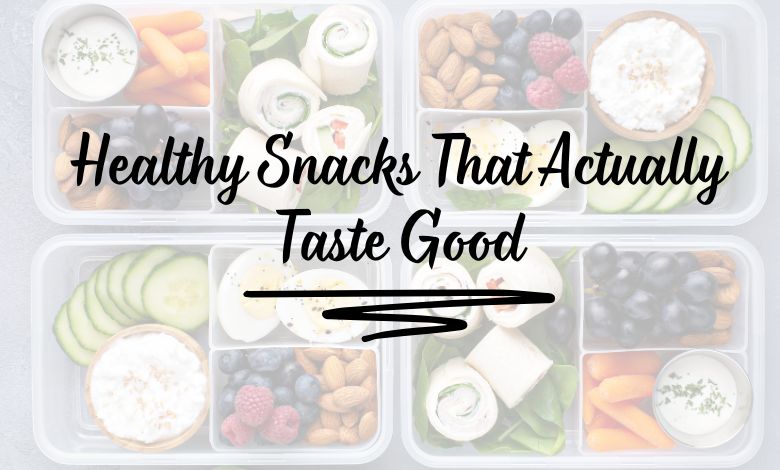
- Turkey and Cheese Roll-Ups: Simple, no-cook snack with a good dose of protein.
- Greek Yogurt and Berries: Combines creamy texture with the sweetness of berries, plus a protein punch.
Crunchy and Savory Snacks
- Baked Chickpeas: Seasoned and roasted for a crunchy, flavorful bite.
- Vegetable Chips: Thinly sliced and baked veggies like kale or sweet potatoes, seasoned lightly.
Sweet Treats
- Dark Chocolate-Covered Almonds: A heart-healthy snack that satisfies sweet tooth cravings.
- Fruit and Nut Bars: Look for options with minimal added sugars and a variety of nuts and dried fruits.
Creative Snack Ideas
- Smoothie Bowls: Blend your favorite fruits with a bit of spinach or kale for added nutrients, then top with seeds or nuts.
- Rice Cakes Topped with Avocado: A light snack that’s rich in healthy fats and fiber.
Each of these snack options offers a mix of key nutrients while also catering to the desire for foods that are enjoyable to eat. By incorporating a variety of these suggestions into your snacking routine, you can satisfy hunger, fuel your body, and enjoy what you eat without compromising on health.
Nutritional Targets for Healthy Snacks

Choosing healthy snacks is more than just picking up any low-calorie or “diet” labeled product off the shelf. To truly benefit from your snacking habits, it’s important to understand and aim for specific nutritional targets that support your overall health and energy levels throughout the day. Here’s a detailed breakdown of what to look for in healthy snacks and why each component matters:
Protein: Protein is a key nutrient for maintaining muscle health, aiding in recovery after exercise, and providing a feeling of fullness that can help you avoid unnecessary eating. Look for snacks that offer at least 5 grams of protein, such as Greek yogurt, a small handful of nuts, or a hard-boiled egg. These options can help curb hunger and provide sustained energy.
Fiber: Fiber plays a crucial role in digestive health, helps regulate blood sugar levels, and contributes to feeling full. Aim for snacks that contain at least 3 grams of fiber per serving. Options like fresh fruit, raw vegetables, or whole-grain crackers are great sources of fiber and can be paired with a protein source for a balanced snack.
Healthy Fats: Fats are essential for absorbing vitamins and providing energy. However, choosing snacks with healthy fats is important. Avocados, nuts, and seeds contain monounsaturated and polyunsaturated fats, which are beneficial to your heart health. While it’s important to include fats in your snacks, keeping the overall fat content moderate ensures that you’re not consuming too many calories.
Calories: Managing calorie intake is crucial for maintaining a healthy weight. Snacks around 200 calories can fit well into a balanced diet without overconsumption. This allows you to enjoy a satisfying snack without significantly impacting your total daily calorie intake.
Sugar: It’s advisable to minimize added sugars in your snacks. Natural sugars found in fruits are paired with fiber and other nutrients, making them a healthier choice. However, added sugars contribute to excess calorie intake without nutritional benefits and can lead to energy crashes. Choose snacks with minimal or no added sugars to maintain stable energy levels and avoid unnecessary calories.
Sodium: Excessive sodium intake is linked to high blood pressure and other health issues. Opting for low-sodium snack options helps manage blood pressure and supports overall heart health. Fresh fruits and vegetables, unsalted nuts, and low-sodium versions of your favorite snacks are better choices.
Understanding these nutritional targets and incorporating snacks that meet these criteria can significantly enhance the quality of your diet. Healthy snacking isn’t just about reducing calories or cutting out certain foods; it’s about making informed choices that nourish your body, satisfy your taste buds, and support your health goals. By focusing on these key nutrients, you can enjoy a variety of delicious and healthful snacks that contribute positively to your overall well-being.
Conclusion
Smart snacking is key to a balanced diet. With the wide variety of tasty and nutritious options available, it’s easy to find snacks that satisfy cravings while boosting health. Focusing on snacks rich in protein, fiber, and healthy fats, and low in added sugars and sodium, can significantly benefit your overall well-being. Remember, healthy snacking is about balance and nourishment, allowing you to enjoy delicious foods that fuel your body properly. By choosing wisely and sometimes making your own snacks, you can enjoy the best of both worlds: taste and health.