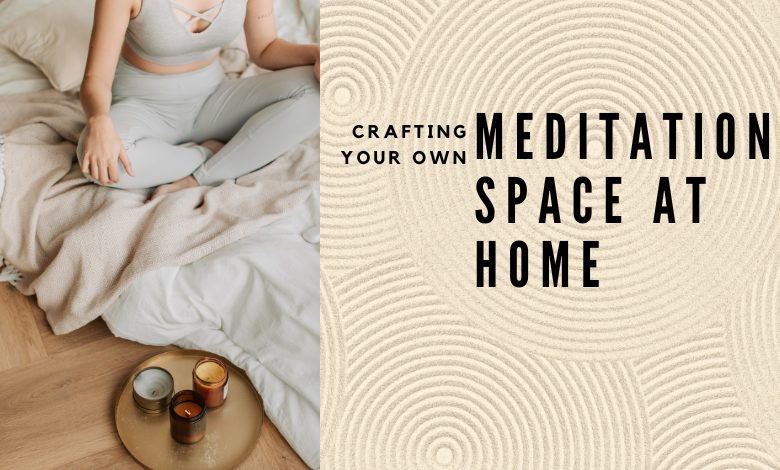
Creating a personal space for meditation at home is crucial for anyone looking to cultivate peace and clarity in their daily life. The act of meditating goes beyond the physical confines of space; it’s about setting aside a dedicated area where your mind can freely explore the realms of tranquility and mindfulness. Meditation space need not be elaborate. Instead, it should be a reflection of personal comfort and simplicity, where distractions are minimized, and calmness reigns. This guide aims to walk you through the essential steps of creating a peaceful meditation area that resonates with your inner self, promoting a routine of mindfulness that benefits both mind and body.
The Essence of a Meditation Space
A meditation space transcends a simple physical location; it’s a sanctuary for fostering mental peace and clarity. This area is designed to be a personal retreat from the noise of everyday life, enabling deep focus and tranquility. Its significance lies not just in its quietness but in how it signals your mind and body to prepare for meditation. The space’s setup — characterized by its comfort, simplicity, and personal elements — aids in reducing distractions, making meditation more profound and effective. Essentially, this space embodies your commitment to mental well-being, providing a tangible, supportive environment for exploration and renewal of the mind.
Personalizing Your Space
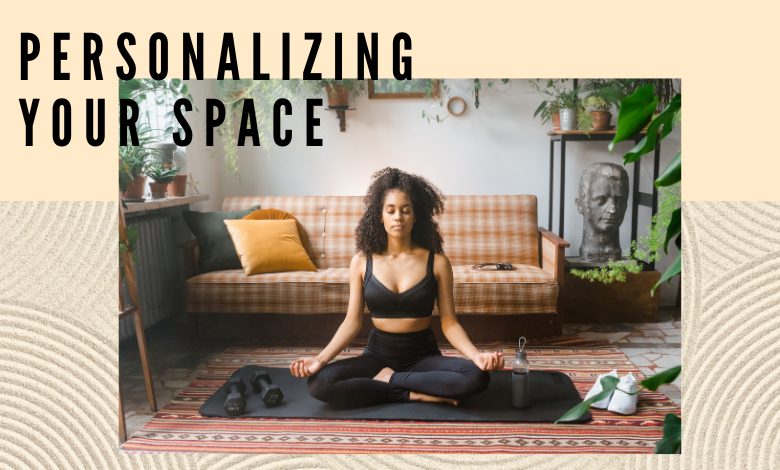
Adding personal touches to your meditation space can significantly enhance your meditative practice. Elements that reflect your personal meditation goals, like specific colors, photos, or plants, create an environment that resonates with you on a deeper level. For example, choosing colors that you find calming can help set the right mood for your session. Incorporating photos that hold personal significance can serve as reminders of your meditation journey’s purpose. Similarly, adding plants can bring a sense of life and connection to nature, making your space more welcoming and vibrant.
Enhancing the Atmosphere
The atmosphere of your meditation space plays a crucial role in your practice. Calming scents and soothing sounds, or even the choice to embrace silence, can greatly influence your ability to relax and focus. These elements work together to create a serene ambiance that encourages deeper meditation. Scents, whether from candles, incense, or natural sources, can help in setting a tranquil mood. Meanwhile, soothing sounds, such as gentle music or the ambient noise of nature, can aid in drowning out the distractions of the outside world. For some, complete silence is preferred, providing a blank canvas for the mind to explore.
The Role of Natural Elements and Textures
Incorporating natural elements and textures into your meditation space can have a grounding effect, enhancing your connection to the earth and yourself. Materials like wood, stone, or woven fabrics add a tactile dimension to the space, inviting you to be fully present. These elements not only contribute to the visual appeal of your area but also evoke a sense of calm and grounding. They remind us of the natural world, which can be particularly soothing and rejuvenating during meditation practice.
Practical Tips for Small Spaces
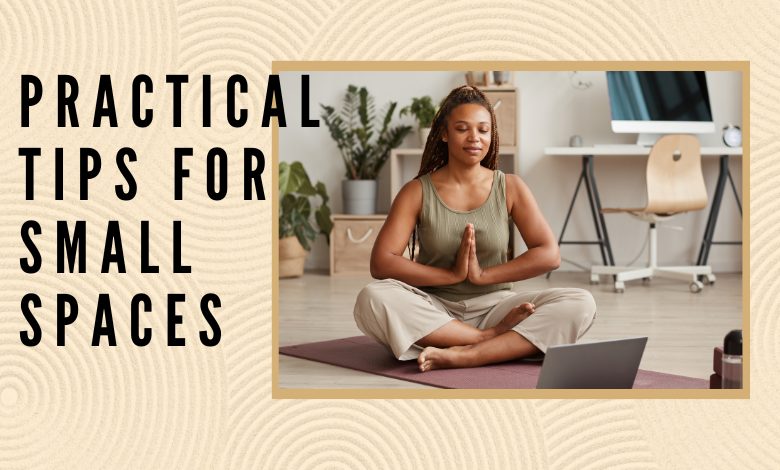
Creating a meditation space in a small area requires creativity and flexibility. For those with limited space, consider multifunctional areas and portable meditation essentials that can easily be set up or put away. Here are some practical tips:
- Multifunctional Areas: Identify a corner of a room that can serve dual purposes. For example, a quiet corner of your bedroom or living area can be transformed into a meditation space with minimal adjustment. A small shelf or corner table can hold meditation aids, which can be easily removed or added as needed.
- Portable Essentials: Opt for meditation essentials that are easy to move and store. A foldable meditation cushion or a lightweight mat can be stored under a bed or in a closet when not in use. This approach allows you to maintain the functionality of your living space without sacrificing your meditation practice.
- Wall Space: Utilize wall space for inspiration. Hang a piece of art, a photo, or a tapestry that you find calming and inspiring. These can be focal points during meditation and easily blend into your home’s decor.
- Compact Storage Solutions: Use baskets, boxes, or small cabinets that can fit into corners or under furniture. These can store your meditation essentials, such as cushions, mats, or scents, keeping them out of sight but easily accessible.
- Adaptability: Be ready to adapt your space as needed. Your meditation area does not have to be fixed. If you find that a certain setup isn’t working, feel free to change it. The key is to create a space where you can relax and focus, no matter the size.
By embracing these practical tips, you can create a serene and personal meditation space even in the smallest of areas. Remember, the goal is to find peace and clarity within yourself, and with a bit of creativity, even a small space can become your sanctuary.
Benefits of Meditation at Your Own Home
Meditating at home brings a myriad of benefits, combining convenience with the ability to personalize your practice to your own needs and preferences. The comfort of being in a familiar environment can deepen your meditation, providing privacy that fosters personal exploration without the self-consciousness you might feel in a public setting. This flexibility allows you to meditate at any time that suits your schedule, making it easier to maintain a consistent practice. Moreover, creating a meditation space at home is cost-effective, eliminating the need for classes or memberships. It also opens the door to involving family members, potentially introducing them to meditation and fostering moments of quiet and connection. In essence, the practice of meditating at home is a powerful tool for enhancing your well-being, offering a tailored approach to achieving peace and clarity in the comfort of your own space.
Conclusion
Creating a dedicated meditation space at home is more than just setting aside a corner for quiet time; it’s about crafting a sanctuary that fosters mental clarity, peace, and a deeper connection with oneself. The significance of such a space cannot be overstated—it is a physical and symbolic gesture towards prioritizing one’s well-being and mindfulness practice. Encouraging experimentation within this space is key. Whether it’s playing with different colors, textures, or elements like plants and scents, finding what uniquely supports your meditation practice is a personal journey. Each choice and change you make can have a profound impact on your experience, helping to create a space that truly resonates with your needs and goals. In essence, embracing the process of personalizing your meditation space invites a deeper exploration of what it means to find peace and balance in your life, making every meditation session a step towards greater self-awareness and well-being.