Antioxidants are vital substances that help protect our cells from damage caused by free radicals—unstable molecules that the body produces as a reaction to environmental pressures and natural processes. A balance between free radicals and antioxidants is necessary for proper physiological function. If free radicals overwhelm the body’s ability to regulate them, a condition known as oxidative stress ensues, leading to cell and tissue damage. This can contribute to the development of various diseases, including heart disease and cancer. Antioxidants are found in many foods, including fruits, vegetables, nuts, and grains. They play a critical role in maintaining health by neutralizing free radicals and are considered an essential part of a balanced diet.
What Are Antioxidants?
Antioxidants are substances that our bodies use to fight off damage from harmful molecules called free radicals. Free radicals are created during normal body processes, like turning food into energy, and when we’re exposed to things like pollution or sunlight. Although our bodies can handle some free radicals, having too many can cause problems over time, including damage to our cells.
Antioxidants work by giving free radicals what they are missing, which stops them from taking electrons from healthy cells, thus preventing damage. These protective substances can be found in a variety of foods, especially fruits and vegetables. They include vitamins like A, C, and E, and minerals such as copper, zinc, and selenium. Besides these, there are many other types of antioxidants found in the foods we eat, each with its unique way of protecting our cells and keeping our bodies working well.
In simple terms, think of antioxidants as the body’s defense team, working to keep cells safe from the damage that can lead to various health issues. Eating a diet rich in antioxidants is one way to support this defense system and maintain good health.
The Role of Antioxidants in Health

Antioxidants play a crucial role in maintaining health by protecting our bodies from potential damage caused by free radicals. These unstable molecules can harm cells, leading to various health issues over time. By neutralizing free radicals, antioxidants help prevent or slow down the damage to cells. This protective action is vital for keeping the body’s organs and systems running smoothly.
Research has shown that a diet rich in antioxidants could reduce the risk of many diseases, including some heart conditions and certain types of cancer. For example, antioxidants can help protect the heart by preventing the oxidation of cholesterol, which can lead to heart disease. They also play a role in reducing inflammation, a root cause of many chronic conditions.
Moreover, antioxidants have been linked to slowing the aging process. They help protect the skin from damage by the sun and pollution, reduce wrinkles, and improve skin texture. The brain also benefits from antioxidants. They can help maintain cognitive function as we age, reducing the risk of conditions like Alzheimer’s disease.
Sources of Antioxidants
Antioxidants are abundant in a variety of foods, especially in fruits, vegetables, nuts, and grains. They are not only essential for health but are also easy to include in your daily diet. Different types of antioxidants are found in specific foods, offering a range of benefits.
- Vitamins: Vitamin A, C, and E are well-known antioxidants. Vitamin C is found in citrus fruits like oranges and lemons, while Vitamin E is abundant in nuts and seeds. Dark leafy greens and carrots are great sources of Vitamin A.
- Minerals: Important antioxidant minerals include selenium, zinc, and copper. Selenium can be found in seafood and Brazil nuts. Zinc is present in beans, nuts, and animal proteins. Copper is often found in seafood and nuts.
- Phytochemicals: These are plant-based compounds with antioxidant properties. Lycopene, for example, gives tomatoes their red color and is a powerful antioxidant. Flavonoids, found in tea, chocolate, and berries, are another type of phytochemical antioxidant.
Each antioxidant serves a unique role in protecting the body, making it important to consume a wide variety of foods to get the full spectrum of benefits. Whole foods like fruits, vegetables, nuts, and grains are the best sources of antioxidants. They provide a complex blend of nutrients and compounds that work together to protect your health.
Incorporating a colorful variety of these foods into your meals can help ensure you’re getting enough antioxidants in your diet. This natural approach to boosting antioxidant intake is simple and effective, supporting overall well-being without the need for supplements.
Antioxidants from Foods vs. Supplements
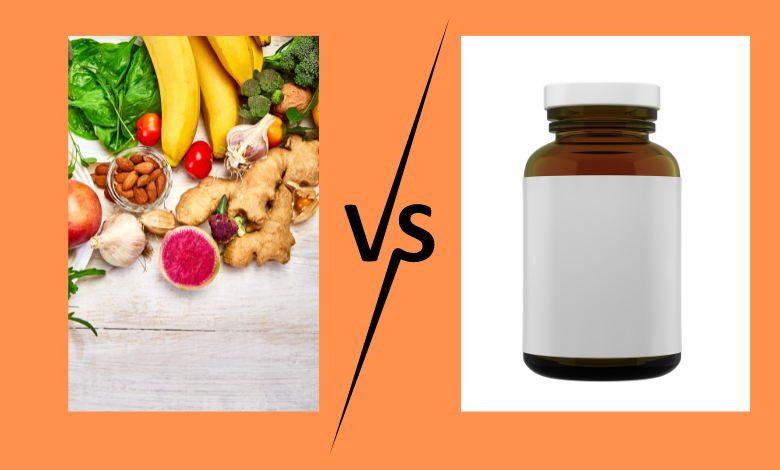
Choosing between getting antioxidants from foods or supplements is an important decision. Research suggests that antioxidants are most effective when consumed through food rather than supplements. Foods provide a complex mix of vitamins, minerals, and phytochemicals that work together to offer health benefits. This synergy is something that isolated nutrients in supplements can’t replicate.
When we eat foods rich in antioxidants, we’re not just getting one or two isolated nutrients; we’re consuming a whole range of compounds that contribute to our health. For example, a tomato provides not only lycopene but also vitamin C, fiber, and other antioxidants, all working together. This combination can have a greater impact on our health than any single antioxidant taken alone.
Moreover, some studies have shown that taking antioxidant supplements in high doses can have adverse effects. In contrast, it’s unlikely to consume too many antioxidants through food. This is because foods contain antioxidants in amounts that are suitable for our bodies. Plus, getting antioxidants from foods ensures we’re also getting other important nutrients necessary for good health.
Incorporating Antioxidants into Your Diet
Adding more antioxidants to your diet is a straightforward way to support your health. Here’s how you can do it:
- Eat a Rainbow of Fruits and Vegetables: Aim for variety and color. Dark green, red, purple, and orange fruits and vegetables are particularly rich in antioxidants. Include berries, citrus fruits, kiwi, apples, beets, kale, spinach, and carrots in your meals.
- Choose Whole Grains: Swap refined grains for whole grains like oats, brown rice, and whole wheat. Whole grains contain more antioxidants and nutrients than their processed counterparts.
- Include Nuts and Seeds: Almonds, walnuts, sunflower seeds, and flaxseeds are good sources of vitamin E, an important antioxidant. A small handful as a snack or added to salads can boost your intake.
- Select Healthy Proteins: Lean meats, poultry, fish, beans, and legumes provide selenium and zinc, two minerals that act as antioxidants. Including a variety of these foods in your diet can help you meet your needs.
- Use Herbs and Spices: Many herbs and spices, including turmeric, ginger, and cinnamon, have potent antioxidant properties. Adding these to your dishes can enhance flavors while providing health benefits.
- Beverages Count Too: Green tea and coffee are known for their antioxidant content. Enjoying a cup can be a relaxing way to add antioxidants to your day.
Incorporating these foods into your diet doesn’t have to be complicated. Start by adding one or two antioxidant-rich foods to each meal. Over time, these small changes can make a big difference in your overall nutrient intake. Remember, the key is variety—to get the broadest range of antioxidants, eat many different types of antioxidant-rich foods.
Conclusion
antioxidants play a crucial role in protecting our bodies from the damage caused by free radicals. These substances, found naturally in a variety of foods, help maintain health and reduce the risk of certain diseases. While the body does produce some antioxidants, incorporating antioxidant-rich foods into your diet enhances your body’s ability to combat oxidative stress.
Eating a wide range of fruits, vegetables, whole grains, nuts, and seeds is the most effective way to increase your antioxidant intake. This variety ensures you receive the full spectrum of antioxidants and other nutrients necessary for optimal health. Supplements can provide antioxidants but are generally not recommended as a substitute for whole foods, which offer a complex blend of beneficial compounds.
Making small, sustainable changes to your diet can significantly impact your overall health. By focusing on natural food sources, you can easily boost your antioxidant levels and support your body’s defense system. Remember, a balanced diet rich in antioxidants is a key component of a healthy lifestyle.