The concept of zero waste living is gaining attention as individuals seek ways to minimize their environmental impact. This lifestyle focuses on reducing waste to prevent it from ending up in landfills, incinerators, or the ocean. It involves making mindful choices about what people buy, use, and how they dispose of items. The goal is straightforward: to live in a way that generates the least amount of waste possible. By adopting practices that emphasize refusing unnecessary items, reducing consumption, reusing products, recycling, and composting, individuals can significantly contribute to a healthier planet. Starting a zero waste journey requires a shift in daily habits and choices, aiming for a sustainable future.
The Essence of Zero Waste Living
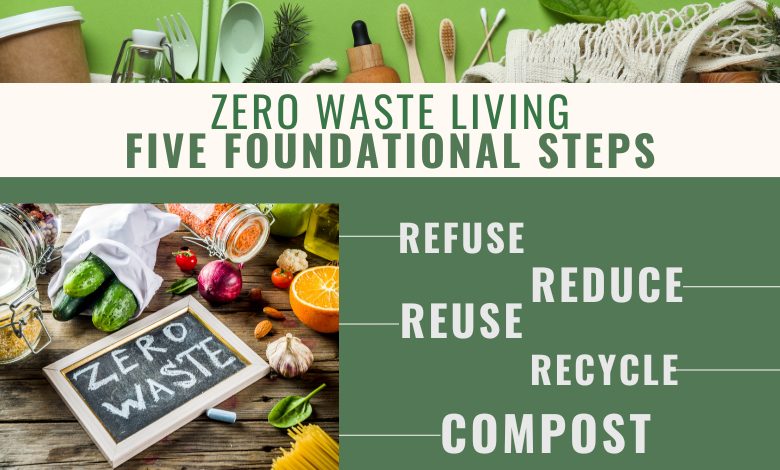
The core of zero waste living lies in making conscious decisions to drastically reduce the amount of waste one produces. This lifestyle is built upon five foundational steps: refusing unnecessary items, reducing overall consumption, reusing as much as possible, recycling what cannot be reused, and composting biodegradable waste. These steps encourage individuals to carefully consider the life cycle of products they use, from the moment they acquire them to when they dispose of them, aiming to choose options that leave minimal environmental footprint. The objective is a sustainable way of living that seeks to eliminate the sending of trash to landfills and oceans, thus preserving natural resources and protecting the environment. Transitioning to zero waste is a gradual process, focusing on incremental changes that collectively contribute to significant environmental benefits.
Getting Started on Your Zero Waste Journey
Beginning a zero waste journey involves individuals taking a close look at their current habits related to consumption and waste production. It’s crucial for them to identify which aspects of their daily life contribute most to their waste footprint. This step of self-reflection helps in pinpointing specific areas where changes can be made.
The advice for those starting on this path is to begin with small, manageable swaps in their routine. This could include switching from disposable to reusable items, such as opting for cloth shopping bags instead of plastic ones, or choosing a refillable water bottle over single-use plastic bottles. These small changes are easier to implement and can significantly reduce the amount of waste an individual produces.
Gradually integrating zero waste habits into daily life allows for a smoother transition and lessens the overwhelm that can come with trying to make many changes at once. By focusing on easy swaps at the start, individuals can slowly build up to more substantial changes in their lifestyle, contributing to a more sustainable future.
Practical Steps Towards Zero Waste
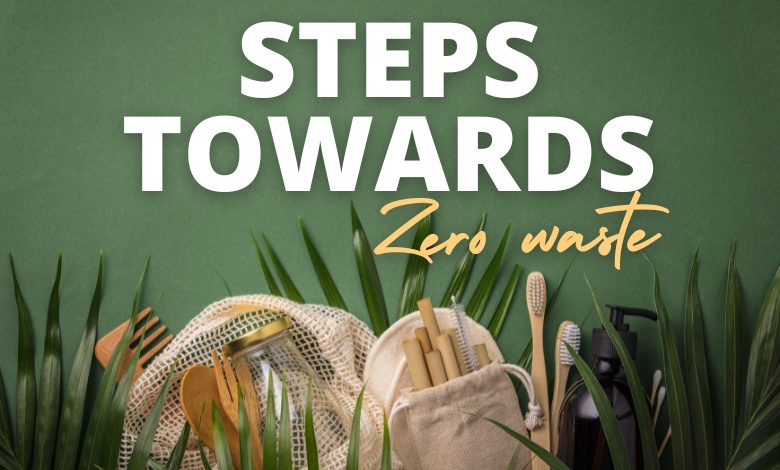
Choosing Reusable Alternatives Over Disposable Ones
- Cloth Bags for Shopping: Replace plastic bags with durable cloth bags to carry groceries and other purchases. This reduces plastic waste significantly.
- Refillable Water Bottles: Utilize a reusable water bottle instead of buying single-use plastic bottles, helping to cut down on plastic pollution.
- Reusable Containers for Meals: Pack food in reusable containers rather than using disposable packaging or aluminum foil, which are often not recycled.
Emphasizing Bulk Food Purchases
- Buying Only What Is Needed: Bulk food stores allow individuals to purchase exact amounts, which can reduce food waste.
- Avoiding Packaging Waste: Bulk purchases minimize the need for individual packaging, reducing the amount of waste produced.
- Using Personal Containers and Bags: Bringing one’s own containers and bags to bulk stores avoids the use of single-use plastic bags and containers.
Preparation for Dining Out
- Carrying Reusable Utensils and a Coffee Cup: Keeping a personal set of cutlery and a coffee cup for use when out helps avoid the need for disposable utensils and cups, which are significant sources of waste.
Assessing Daily Use Products for Eco-friendly Alternatives
- Bar Soaps Instead of Liquid Soaps in Plastic Dispensers: Bar soaps often come with less packaging than liquid soaps, reducing plastic waste.
- Choosing Package-free or Recyclable Packaging: Opting for products with minimal or recyclable packaging supports waste reduction efforts.
Essential Items for Transitioning to a Zero Waste Lifestyle
- Reusable Grocery and Produce Bags: Essential for carrying groceries without the need for plastic bags.
- Refillable Water Bottle: A cornerstone of reducing daily plastic use by avoiding bottled water.
- Reusable Coffee Cups: Important for coffee lovers to reduce the use of disposable cups, which are difficult to recycle.
- Glass Jars and Containers for Food Storage: Versatile for storing leftovers, bulk foods, and more, while avoiding plastic containers.
- Dual-compartment Trash Can: Facilitates the separation of recyclables from non-recyclables at the source, improving recycling efforts.
- Compost Bin for Organic Waste: Enables the composting of food scraps and other organic waste, reducing landfill contributions and producing useful compost for gardening.
Implementing these steps helps individuals make significant strides towards living a zero waste lifestyle, contributing to environmental conservation and sustainability.
The Bigger Picture: Community and Lifestyle
Adopting zero waste practices extends beyond individual efforts, significantly impacting the broader community and influencing a sustainable lifestyle. By supporting local businesses and engaging in community-driven sustainability efforts, individuals help reduce environmental impacts and strengthen local economies. Zero waste living promotes mindful consumption, encouraging a shift towards prioritizing experiences over material possessions and choosing quality over quantity. This approach leads to a lifestyle that is not only less cluttered but also more focused on well-being, fostering a sense of connection and collective action towards environmental preservation within the community.
Zero Waste Challenges
Moving towards a zero waste lifestyle comes with its set of challenges. One of the main hurdles is finding stores that offer products without packaging or that accept reusable containers. This can make it hard for people to buy goods in a way that aligns with zero waste principles. Another challenge is the initial cost of investing in reusable items such as water bottles, containers, and bags. While these purchases help reduce waste in the long run, the upfront cost can be a barrier for some. Convenience also poses a challenge, as zero waste options often require more planning and effort compared to disposable alternatives. Lastly, there’s the challenge of changing habits. Breaking away from the convenience of disposables to embrace sustainable practices demands a shift in mindset and daily routines. These challenges require individuals to be creative, resourceful, and committed to overcoming obstacles on the path to zero waste living.
Conclusion
Embracing a zero waste lifestyle is a key step toward a sustainable future, demanding commitment and changes in daily habits. This path involves choosing reusable over disposable, supporting bulk purchases, and engaging in community environmental actions. Despite challenges like accessibility and initial costs, there are strategies to overcome these obstacles. By making small, consistent changes and leaning on community support, individuals contribute significantly to reducing waste and enhancing sustainability, playing a vital role in protecting the planet for future generations.