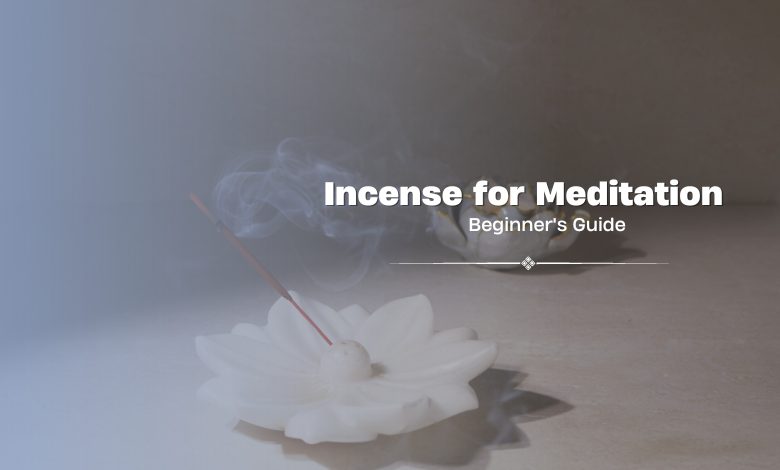
Meditation has roots stretching back millennia, serving as a cornerstone for those seeking tranquility and enhanced focus. Complementing this practice, incense, crafted from fragrant substances, releases a soothing aroma upon burning.
This aroma can significantly contribute to the ambiance of meditation, aiding in relaxation and sharpening concentration. Here, we will explore the integration of incense into meditation routines, particularly for novices. The discussion will cover the essence of incense, its advantages during meditation, preferred scents, and guidelines for its safe use. For individuals embarking on their meditation journey or aiming to enrich their existing practice, understanding the role of incense can be invaluable.
What is Incense?
Incense consists of materials that emit a pleasant fragrance when ignited, commonly found in the form of sticks, cones, or powders. These materials are derived from natural sources such as resins, barks, herbs, and essential oils, carefully blended to create a variety of scents. Historically, incense has played a significant role in cultural and spiritual ceremonies around the world, valued both for its aromatic qualities and its ability to foster a serene atmosphere.
The scents produced by incense can vary widely, each offering a unique experience. Some people choose incense based on the fragrance alone, while others select specific types for their supposed benefits, like aiding relaxation or concentration during meditation practices. Regardless of the reasons for its use, incense is appreciated for its ability to enhance the ambiance of a space, making it more inviting and conducive to mindfulness and tranquility.
When using incense, it’s essential to do so in a safe manner. Burning incense should always be done in a space that is well-ventilated to allow the smoke to disperse and not become overwhelming. Ensuring proper ventilation not only maximizes the enjoyment of the incense’s fragrance but also helps maintain a healthy environment. Whether used for meditation, as part of a ritual, or simply to enjoy its fragrance, incense remains a popular choice for enriching one’s surroundings.
Benefits of Using Incense for Meditation
Burning incense while meditating offers several tangible benefits:
- Enhances Focus: The distinct aroma of incense can help sharpen focus. It acts as a consistent backdrop that can bring wandering thoughts back to the meditation practice.
- Promotes Relaxation: The gentle scent from incense often helps in creating a relaxing atmosphere. This relaxed state is crucial for a deeper and more effective meditation session.
- Sets a Routine: Lighting incense can signal the beginning of a meditation session. This ritual can help in forming a consistent practice, making meditation a regular part of daily life.
- Improves Atmosphere: Incense adds a sensory dimension to the meditation space, making it feel warm and inviting. This improved atmosphere can enhance the overall meditation experience.
- Aids in Mindfulness: The act of noticing the incense’s scent can aid in the practice of mindfulness, helping individuals stay present and engaged during their meditation session.
By incorporating incense into meditation practices, individuals can enjoy a more focused, relaxing, and enriched experience.
How to Use Incense Safely and Effectively
Using incense safely and effectively is important for a positive meditation experience. Here are key guidelines to follow:
- Choose Natural Incense: Opt for incense made from natural materials like herbs, resins, and essential oils. These are generally safer to burn and offer a more authentic scent.
- Well-Ventilated Area: Always burn incense in a room with good airflow. This helps to disperse the smoke and maintain air quality, making the experience more enjoyable and safe.
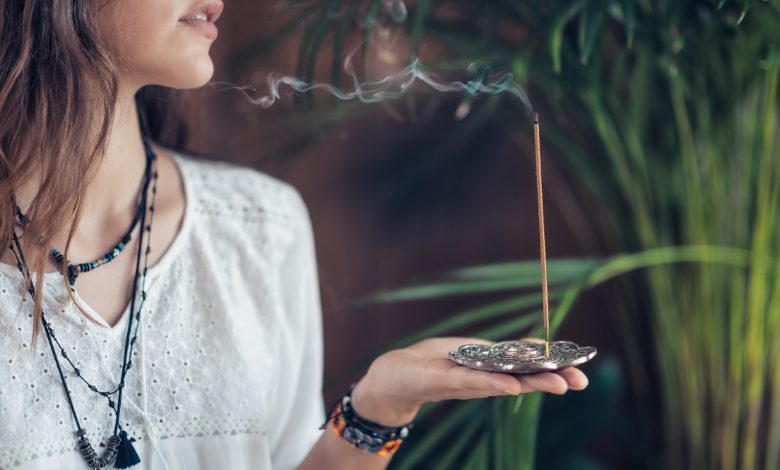
- Correct Placement: Place your incense in a stable holder and ensure it’s on a non-flammable surface. Keep it away from fabrics, papers, and other flammable materials to prevent accidents.
- Monitor Burning Incense: Never leave burning incense unattended. Make sure it’s completely extinguished after your meditation session to avoid any risk of fire.
- Limit Use: While incense can enhance meditation, using it in moderation is wise. Limiting exposure to the smoke, especially in enclosed spaces, is beneficial for maintaining a healthy environment.
- Avoid Direct Inhalation: Position the incense so that you’re not directly inhaling the smoke. Placing it a few feet away from your meditation space is ideal.
- Sensitive Groups: Individuals with respiratory issues or allergies should be cautious when using incense. In some cases, avoiding it altogether or seeking alternative scent options like diffusers might be preferable.
By adhering to these guidelines, you can enjoy the benefits of incense during meditation while ensuring your safety and well-being.
Selecting the Right Incense for Your Practice
Choosing the right incense for your meditation practice involves considering a few key factors:
- Fragrance Preference: Scents are personal. What relaxes one person might not have the same effect on another. Explore different fragrances to find what truly helps you relax and focus. Popular options include lavender for calmness, sandalwood for grounding, and jasmine for uplifting the spirit.
- Purpose of Meditation: The goal of your meditation can guide your choice of incense. If you’re meditating for relaxation, soft and soothing scents like lavender or chamomile might be best. For concentration, sharper scents like peppermint or eucalyptus can be more effective.
- Natural Ingredients: Look for incense made with natural ingredients. These types are generally safer to burn and provide a cleaner scent compared to those made with synthetic materials.
- Burning Time: Consider how long you typically meditate and select incense that matches your session length. Some incense sticks or cones have longer burning times, making them suitable for extended meditation sessions.
- Sensitivity: If you or someone in your household has allergies or sensitivity to certain scents, it’s important to choose incense that won’t cause discomfort or health issues. Opting for milder scents or hypoallergenic options can be a wise choice.
- Environmentally Friendly: For those concerned about the environment, selecting incense that is sustainably sourced and produced can also be a consideration.
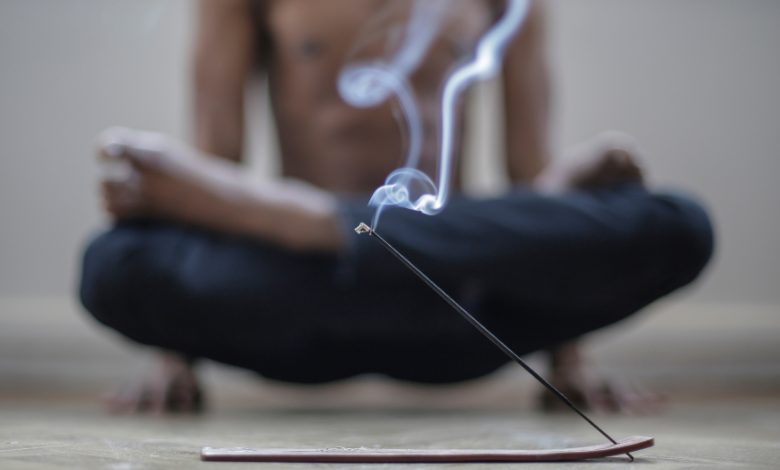
By taking into account these factors, you can select the incense that best complements your meditation practice, enhancing your experience without detracting from your health or comfort.
Best Practices for Incense and Meditation
Incorporating incense into your meditation routine can enhance the experience, but it’s important to follow some best practices to ensure it’s done safely and effectively:
- Start with a Clean Space: Before lighting incense, ensure your meditation area is clean and free from clutter. This not only reduces the risk of fire but also helps in creating a peaceful environment for meditation.
- Use a Proper Holder: Always place your incense in a stable holder designed to catch ash as it falls. This keeps your space tidy and reduces cleanup after meditation.
- Light Incense Before Starting: Light your incense a few minutes before you begin meditating. This allows the scent to fill the room and helps you start your practice in a space already imbued with the calming or focusing properties of the incense.
- Choose the Right Time and Amount: If you meditate for a short period, you might not need to burn a whole stick or cone. Select incense with a suitable burn time for your practice or extinguish it safely if you finish meditating before the incense burns out.
- Focus on the Scent: Allow the aroma of the incense to be a part of your meditation. If your mind wanders, gently bring your focus back to the scent as a way to anchor your attention in the present moment.
- Ensure Good Ventilation: To avoid discomfort from the smoke, meditate in a well-ventilated area. This ensures you enjoy the fragrance without it becoming overwhelming.
- Experiment with Scents: Different scents can have different effects on your mood and concentration. Feel free to experiment with various fragrances to find what works best for you.
- Be Mindful of Others: If you share your space, consider the preferences and sensitivities of others. Choose scents that are agreeable to everyone and ensure the smoke does not disturb anyone else in the area.
By following these practices, you can safely and effectively integrate incense into your meditation routine, creating a more immersive and enjoyable experience.
Potential Risks and How to Mitigate Them
While using incense can add to the meditation experience, it’s important to be aware of potential risks and how to reduce them:
- Fire Hazard: The most immediate risk of using incense is the potential for fire. Always use a stable incense holder and place it on a non-flammable surface away from any materials that could catch fire. Never leave burning incense unattended.
- Smoke Inhalation: Burning incense produces smoke, which can cause discomfort or respiratory issues for some people, especially in poorly ventilated spaces. To mitigate this, ensure the area is well-ventilated, perhaps by opening windows or meditating outside.
- Allergic Reactions: Some individuals may have allergic reactions to certain scents or the smoke produced by incense. If you notice any discomfort or adverse reactions, it’s best to stop using incense immediately. Opting for natural incense with fewer additives can also help minimize this risk.
- Sensitivity to Scents: Overpowering scents can distract from meditation rather than enhance it. Start with milder scents and use smaller amounts of incense to find the right balance that works for you.
- Pet Safety: Pets can be sensitive to smoke and fragrances. If you have pets, monitor them for any signs of discomfort, and ensure they can leave the room if needed.
By taking these precautions, you can enjoy the benefits of using incense during meditation while minimizing any potential risks.
Conclusion
Incorporating incense into meditation can deeply enhance the practice, offering a unique sensory experience that promotes focus, relaxation, and a sense of ritual. However, it’s important to approach this addition mindfully, taking into account personal preferences, the physical environment, and the well-being of those sharing the space. By selecting natural incense, using it in a ventilated area, and being conscious of its effects on yourself and others, you can safely integrate incense into your meditation routine. Remember, the goal is to support your meditation journey, adding depth without distraction. With careful consideration and responsible use, incense can become a valuable part of your meditation experience.